Discover the Future of Culinary Arts with Innovative Robotic Chefs
What Key Functions Should You Anticipate from a Robotic Chef?
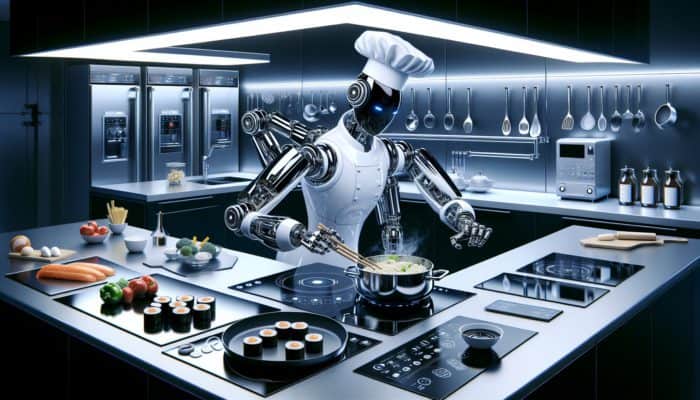
A robotic chef represents a groundbreaking advancement in cooking technology, designed to elevate your culinary experience by simplifying meal preparation for everyone. These sophisticated devices operate by executing precise recipes, ensuring accurate measurements and timing across an extensive array of dishes. This automation not only enhances efficiency but also significantly decreases the potential for human error. As a result, individuals of all cooking skill levels can effortlessly create delectable meals that impress family and friends alike.
The key features that greatly improve everyday cooking experiences include:
- Automated ingredient handling for seamless preparation
- Extensive built-in recipe database with diverse options
- User-friendly touchscreen interface for easy navigation
- Integration with smart home devices for enhanced connectivity
- Self-cleaning functionalities to minimise maintenance
- Customisable cooking settings to suit individual preferences
- Multi-cooking functions such as steaming, frying, and baking
- Safety sensors to prevent kitchen accidents
With these remarkable features, robotic chefs are set to transform meal preparation, making it more enjoyable and accessible for individuals and families across the globe.
What Are the Fundamental Components of Robotic Cooking Technology?
A robotic chef comprises several critical components that work in harmony to automate cooking tasks with exceptional efficiency. Central to these devices are sensors that accurately gauge temperature and texture, guaranteeing that food is cooked perfectly every time. The robotic arms are vital in handling ingredients, stirring mixtures, and plating dishes, while the software interfaces enable users to easily select recipes and monitor the cooking process with minimal fuss.
For instance, a robotic chef may include:
– Advanced temperature probes that dynamically adjust cooking times tailored to the specific dish being prepared.
– Vision systems that assess the doneness of food visually, providing immediate feedback on cooking progress.
– Intuitive touchscreen controls that guide users through every step of the cooking journey.
By integrating these sophisticated components, robotic chefs elevate meal preparation to unprecedented levels of convenience and enjoyment. This accessibility empowers even those lacking advanced culinary skills to craft gourmet-quality dishes, fostering confidence and creativity in the kitchen.
What Are the Benefits of Integrating Technology into Modern Kitchens?
The incorporation of technology into kitchens through robotic chefs brings numerous advantages that significantly enhance the overall cooking experience. A primary benefit is the ability to achieve consistent results in meal preparation. This cutting-edge technology guarantees that recipes are executed with precision every time, which is particularly advantageous for busy families striving to maintain a balanced nutrition without compromising on flavour.
Another substantial benefit is the time savings that robotic chefs facilitate. By automating repetitive cooking tasks, these devices liberate users to concentrate on other essential activities, whether it involves spending quality time with loved ones, pursuing hobbies, or simply unwinding. Furthermore, robotic chefs contribute to improved eating habits. By cooking meals at optimal temperatures and with precise ingredient measurements, users can enjoy enhanced nutrition without the uncertainties that often accompany manual meal preparation.
Ultimately, the integration of robotic chefs into home kitchens not only streamlines meal preparation but also encourages a healthier, more balanced lifestyle, making them an invaluable asset for households around the world.
How Does the Operation of Robotic Cooking Work?
What Steps Are Required to Program a Robotic Chef for Simple Meals?
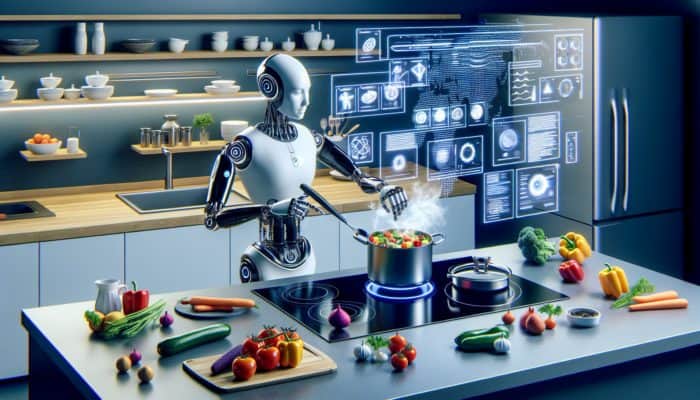
Programming a robotic chef for simple meals is an intuitive and user-friendly process. Typically, the first step involves accessing the device's interface, allowing users to input their own recipes or choose from an extensive built-in database. This initial step is often facilitated by a touchscreen panel that provides clear, step-by-step instructions and prompts as users navigate through the cooking process.
Once a recipe is selected, users can proceed to add ingredients according to the provided instructions. Many robotic chefs come equipped with features that notify users when it’s time to add or stir ingredients, ensuring that the cooking process flows effortlessly. After all ingredients are loaded, users simply need to initiate the cooking cycle, which often involves pressing a button or issuing a voice command if the device is integrated into a smart home system.
While the robotic chef manages the cooking process, users can monitor progress via the interface. This seamless operation simplifies everyday cooking routines, transforming meal preparation into an effortless and efficient experience. Over time, users will become increasingly adept at utilising their robotic chefs, discovering new features and enhancing their culinary journeys.
What Are the Common Mechanisms Employed in Robotic Cooking Automation?
Understanding the common mechanisms utilised in robotic cooking automation is crucial for ensuring reliable performance. The operation of a robotic chef begins with ingredient preparation, which typically consists of washing, chopping, and measuring. Many models feature built-in tools for these tasks, offering a level of convenience that significantly enhances the cooking experience.
Once the ingredients are properly prepared, users should load them into designated compartments within the device. It is essential to adhere to the manufacturer's guidelines regarding ingredient placement to avoid overloading or misconfiguration, which can lead to unsatisfactory cooking outcomes. After loading, users can set the cooking parameters, including time and temperature, through the intuitive interface.
Once set up, initiating the cooking process is usually as simple as pressing a “start” button or using voice commands. During operation, the device employs various mechanisms, such as heating elements and stirring arms, to replicate traditional cooking techniques. This multifaceted approach ensures that users enjoy consistently high-quality meals, making robotic cooking a reliable solution for fast-paced lifestyles.
Why Might Errors Occur During the Operation of a Robotic Chef?
Errors during the operation of a robotic chef can sometimes occur, but understanding the common causes can empower users to effectively mitigate disruptions. A primary reason for glitches is improper setup, especially when ingredients are loaded incorrectly or if settings are not accurately configured. Regular users often discover that strictly adhering to the user manual and following on-screen prompts can significantly reduce the occurrence of these issues.
Ingredient variations also play a crucial role in the cooking process. For instance, using fresh versus frozen vegetables can greatly influence cooking times and final outcomes. To avoid such complications, users should familiarise themselves with the specific requirements of the recipes they select, making necessary adjustments as required.
Routine maintenance is vital for preserving accuracy and functionality. Regularly updating the software, along with thoroughly cleaning the components, helps prevent problems and prolongs the device's lifespan. By adopting these best practices, users can enjoy a smoother cooking experience and ensure that their robotic chef operates at peak performance.
What Everyday Advantages Does Robotic Cooking Provide?
Robotic cooking offers a plethora of benefits for daily use, particularly within busy households. By automating repetitive tasks, robotic chefs significantly enhance efficiency in meal preparation. This automation allows users to create nutritious meals with minimal effort, freeing up valuable time for family and other pursuits.
Additionally, this technology promotes consistency in flavour profiles and portion sizes. Families can relish nutritious meals tailored to their specific preferences without the stress typically associated with manual cooking. For instance, a robotic chef can guarantee that meals are evenly cooked, enhancing the overall dining experience. This consistency is especially advantageous for families with diverse dietary restrictions or preferences.
Moreover, robotic cooking encourages users to explore a broader range of cuisines and dishes. The ability to easily select and follow recipes from various cultures fosters culinary creativity and experimentation. As a result, families can enjoy a rich variety of meals, cultivating an appreciation for global flavours while maintaining a healthy diet in their everyday lives.
Expert Techniques for Crafting Meals with Robotic Chefs
What Best Practices Should You Follow for Choosing and Adapting Recipes?
Selecting adaptable recipes is crucial for maximising the functionality of a robotic chef. A well-chosen recipe accommodates a variety of dietary needs, enabling users to enjoy diverse meals without compromising health. When selecting recipes, consider the following best practices to enhance meal variety:
- Opt for recipes that involve minimal complex techniques for ease of preparation
- Select dishes that can be easily modified to accommodate dietary restrictions
- Incorporate seasonal ingredients to boost freshness and flavour
- Prioritise recipes that allow for bulk preparation to save time
- Choose meals that can be portioned for leftovers to minimise waste
- Experiment with international cuisines to expand your culinary repertoire
- Utilise recipes that require similar cooking times for efficiency
- Incorporate family favourites that can be enhanced with new ingredients for variety
These practices not only simplify meal preparation but also inspire creativity in the kitchen. For instance, a basic stir-fry recipe can be modified to include various vegetables or proteins, keeping meals exciting and appealing for all family members.
How Can You Optimise Settings for Different Cuisines?
Optimising a robotic chef's settings for different cuisines requires an understanding of the unique characteristics inherent to various cooking methods. For example, when preparing Asian dishes, users should adjust settings to accommodate stir-frying techniques that demand high heat and quick cooking times. In contrast, Italian recipes may benefit from extended cooking durations for sauces or stews to enhance flavours.
To achieve optimal results, begin by researching the standard cooking temperatures and times associated with the specific cuisine you are preparing. Most robotic chefs provide options to modify these parameters, allowing users to tailor the cooking process in accordance with traditional methods. It is also beneficial to monitor the cooking progress and make real-time adjustments if necessary, ensuring that flavours develop as intended.
Experimenting with settings can lead to delightful culinary discoveries, such as adjusting steam levels for delicate dishes or modifying stirring speeds for sauces. Over time, users will cultivate a knack for fine-tuning their robotic chefs, resulting in consistently impressive outcomes that reflect their growing culinary expertise.
What Factors Can Influence Long-Term Performance of Robotic Chefs?
The long-term performance of a robotic chef is influenced by several crucial factors, primarily related to maintenance and usage habits. Regular software updates are essential, ensuring that the device operates smoothly while incorporating enhancements that improve functionality. These updates can lead to improved cooking accuracy and expand the range of available recipes.
Proper care is equally important for extending the lifespan of the device. Conducting routine cleaning of both internal and external components prevents build-up that could hinder performance. Following the manufacturer's maintenance guidelines, such as descaling or replacing filters, will contribute to sustaining high cooking quality over time.
Moreover, understanding the operational limits of the robotic chef is vital. Avoiding the temptation to overload or misuse the device will prevent premature wear and tear. By prioritising maintenance and adhering to usage best practices, users can ensure their robotic chef continues to deliver exceptional meal quality for years to come.
What Are the Key Advantages of Employing Robotic Chefs?
How Do Robotic Chefs Enhance Kitchen Safety and Reduce Hazards?
Robotic chefs significantly improve kitchen safety by mitigating potential hazards associated with traditional cooking methods. These devices are designed to manage hot elements and sharp utensils, thereby minimising the risk of burns or cuts during meal preparation. This safety feature is particularly appealing to families, as it fosters a worry-free cooking environment where everyone can be involved.
Moreover, many robotic chefs are equipped with safety sensors that automatically shut down the device if any errors occur. This feature prevents overheating or accidents, allowing users to focus on meal preparation without the constant need to monitor the cooking process closely.
Additionally, the programmed nature of robotic chefs means they operate on predetermined cycles, reducing the chances of leaving food unattended on a stovetop or in an oven. This automation cultivates a safer atmosphere, encouraging families to be more engaged in meal preparation without the typical concerns associated with cooking.
What Efficiency Gains Can Be Achieved in Meal Preparation with Robotic Chefs?
Robotic chefs streamline meal preparation, delivering significant efficiency gains for users. By automating labour-intensive tasks such as chopping, stirring, and monitoring cooking durations, these devices enable users to assemble meals swiftly without compromising on quality. For instance, a robotic chef can prepare an entire meal in a fraction of the time it would take to do manually, making it an ideal solution for those leading busy lifestyles.
This efficiency extends to the clean-up process as well. Many robotic chefs feature self-cleaning functions, reducing the time spent on post-meal chores. Users can savour their meals, confident that the device will manage the mess, resulting in a more relaxed dining experience.
Furthermore, the ability to prepare multiple dishes simultaneously enhances overall kitchen productivity. Families can enjoy a full-course meal with minimal effort, making robotic chefs an invaluable addition to any modern kitchen, especially for those juggling work and family responsibilities.
What Nutritional Improvements Can Be Expected from Precise Cooking Techniques?
One of the standout benefits of robotic cooking lies in its contribution to nutritional improvements in daily eating habits. Robotic chefs excel at maintaining precise cooking temperatures and portion sizes, which are crucial for preserving the nutritional integrity of ingredients. For example, overcooking vegetables can lead to the loss of essential vitamins and minerals; however, robotic chefs are programmed to cook food at optimal levels, ensuring that nutrients remain intact.
Moreover, the ability to accurately measure ingredients promotes better portion control, which can assist in achieving dietary goals. Users can effortlessly create balanced meals that meet their nutritional requirements, reducing reliance on pre-packaged or takeout options that may be less healthful.
In summary, robotic chefs not only simplify the cooking process but also encourage healthier eating practices, ultimately leading to a more balanced lifestyle for users. This emphasis on nutrition is invaluable in today’s fast-paced world, where maintaining healthy eating habits can often prove challenging.
Proven Strategies for Crafting Meals with Robotic Chefs
What Essential Tips Should Be Followed for Ingredient Preparation?
Effective ingredient preparation is critical for maximising the capabilities of a robotic chef. By ensuring that items are prepped correctly, users can significantly enhance the overall cooking experience and achieve superior results. Start by thoroughly washing all fresh produce to eliminate any dirt or pesticides, ensuring that the ingredients are safe and healthy for consumption.
Next, focus on chopping and measuring ingredients. Many robotic chefs include built-in tools for these tasks, but even a little manual prep can go a long way. For instance, slicing vegetables into uniform pieces ensures even cooking. Accurate measurement of ingredients is also essential; using a digital scale can provide precise measurements that align with the recipe's requirements.
Additionally, consider prepping ingredients in advance. Having chopped vegetables, pre-measured spices, and marinated proteins ready will streamline the cooking process and alleviate stress during meal preparation. This proactive approach allows for a smoother cooking experience, enabling users to focus on enjoying the creative process of crafting delicious meals.
How To Effectively Explore Advanced Features of Robotic Chefs?
Exploring the advanced features of a robotic chef can elevate standard meals into innovative culinary creations with minimal effort. Many devices include features for layering flavours or adjusting cooking methods, allowing users to experiment more creatively. For example, consider using the slow cooking setting for stews that require time to develop their flavour profiles, or employing steam functions for healthier cooking options.
Users can also leverage built-in timers and programming features to create dishes that require precise timing. Experimenting with different cooking cycles for a single dish can lead to exciting discoveries, such as achieving the perfect sear on a steak or perfectly tender vegetables without overcooking.
Moreover, engaging with community forums or recipe-sharing platforms can provide inspiration for new culinary adventures. Many users share their innovative cooking techniques and adaptations, offering a wealth of ideas that can help others push the boundaries of their robotic chefs. By experimenting with advanced features, users can transform their cooking experience and continually discover new and exciting meals.
What Common Pitfalls Should Be Avoided During the Use of Robotic Chefs?
To ensure smooth operation with robotic chefs, it's essential to recognise common pitfalls that can lead to less-than-ideal meals. One of the most significant mistakes users make is overloading the unit. Each device has specific capacity limits, and exceeding them can result in uneven cooking or even damage to the machine. Always refer to the manufacturer’s guidelines regarding ingredient quantities.
Failure to clean the device regularly is another common issue. Food residue can accumulate and impact the machine's performance, leading to subpar cooking results. Establishing a routine cleaning schedule will maintain the device's functionality, ensuring it continues to deliver excellent meals.
Users should also be cautious about ignoring recipe specifics. Each recipe may have unique requirements for preparation, and neglecting to follow these guidelines can result in disappointing dishes. Taking the time to read through recipes thoroughly before starting can prevent many common mistakes that lead to dissatisfaction.
By being aware of these pitfalls, users can enhance their experience with robotic chefs, ensuring they achieve the best possible cooking outcomes.
What Should You Consider When Selecting the Right Robotic Chef?
What Features Should Be Prioritised When Choosing a Robotic Chef?
Selecting the right robotic chef involves prioritising specific features that align with individual cooking needs and preferences. Key aspects to consider include capacity, which dictates how much food the device can handle at once. A larger capacity is advantageous for families or those who enjoy meal prepping; however, individuals may prefer a more compact model for smaller kitchens.
Ease of use is another critical factor. Look for a model with an intuitive interface and clear instructions, as this can greatly enhance the user experience. A touchscreen display often provides greater flexibility and user-friendliness compared to traditional buttons.
Additionally, consider the range of cooking functions available. A versatile robotic chef should offer multiple cooking methods, such as steaming, sautéing, and baking, allowing users to explore various cuisines and recipes. By prioritising these features, users can find a model that best suits their culinary aspirations and lifestyle.
What Factors Affect Compatibility with Kitchen Spaces?
When selecting a robotic chef, several factors influence its compatibility with kitchens. Size is a critical consideration, as users must ensure that the device fits comfortably in their kitchen space. Measure the available counter space to guarantee there is sufficient room for ventilation and accessibility.
Power requirements also play a significant role in compatibility. Check the voltage and wattage specifications of the device to ensure that it can be safely operated within your home's electrical system. Additionally, consider the proximity of power outlets to avoid complications during installation.
Finally, consider the design and aesthetics of the robotic chef. A model that blends seamlessly with the kitchen décor will enhance the overall space. By taking these factors into account, users can choose a robotic chef that integrates smoothly into their kitchen environment, resulting in a more enjoyable cooking experience.
What Is the Long-Term Value of Different Robotic Chef Models?
Evaluating the long-term value of various robotic chef models is essential for making a worthwhile investment. Factors such as durability and versatility should be at the forefront of consideration. A robust model that withstands regular use will provide greater value over time, reducing the need for frequent replacements.
Versatility also plays a crucial role in long-term value. A robotic chef that accommodates various cooking methods and recipes ensures that users can continue to explore new dishes without needing to purchase additional appliances. Look for models that offer expandable features, such as add-ons for specialised cooking functions, which can further enhance their utility.
Additionally, consider brands with a strong reputation for customer support and warranty services. A manufacturer that provides reliable support and service will offer peace of mind, ensuring that users can resolve any issues efficiently. By choosing a robotic chef that combines durability, versatility, and excellent customer support, users can enjoy sustained benefits and a fulfilling cooking experience for years to come.
What Are the Best Practices for Optimal Use of Robotic Chefs?
What Routine Maintenance Practices Should Be Followed?
Implementing routine maintenance practices is crucial for optimising the performance and longevity of a robotic chef. Regular cleaning is the most fundamental aspect; users should wipe down the exterior after each use and clean the internal components according to the manufacturer's guidelines. This practice prevents the accumulation of food residue, which can negatively affect cooking results.
Additionally, users should periodically check all moving parts, ensuring they are functioning correctly and free of debris. Lubricating joints and hinges as recommended by the manufacturer will also help maintain the device’s smooth operation.
Monitoring software updates is equally important. Many modern robotic chefs receive firmware updates that enhance performance and introduce new features. Keeping the device up to date ensures that users benefit from the latest advancements in robotic cooking technology.
By adhering to these routine maintenance practices, users can ensure their robotic chefs continue to perform optimally, providing consistent and high-quality results in meal preparation.
How Can Users Personalise Their Cooking Experience with Robotic Chefs?
Personalising the cooking experience with a robotic chef can significantly enhance enjoyment and satisfaction in meal preparation. Customisation options allow users to tailor settings according to their tastes and dietary goals. Consider the following techniques for personalisation:
- Adjust cooking times and temperatures based on personal preferences
- Incorporate favourite spices or sauces into recipes for unique flavours
- Experiment with ingredient substitutions to meet dietary needs
- Utilise built-in settings for different cuisines to enhance authenticity
- Create custom recipes and save them for future use
- Engage with community recipes to discover new favourites
- Regularly update preferences based on seasonal ingredients to keep meals fresh
- Incorporate family feedback to refine meals and cater to everyone's tastes
Utilising these personalisation techniques allows users to create a cooking experience that resonates with their culinary preferences, leading to more enjoyable mealtimes and fostering a greater appreciation for home-cooked dishes.
What Are the Best Ways to Integrate Robotic Chefs with Other Kitchen Tools?
Integrating robotic chefs with other kitchen tools can enhance workflow, resulting in more efficient and enjoyable meal preparation routines. For instance, combining a robotic chef with a smart scale can streamline ingredient measuring, ensuring precise quantities without added hassle. This integration allows users to easily follow recipes that require exact measurements.
Additionally, pairing a robotic chef with a food processor can expedite the prep process. Users can quickly chop or blend ingredients, which can then be transferred directly to the robotic chef for cooking. This coordination simplifies the overall cooking process and reduces the time spent in the kitchen.
Lastly, consider utilising smart home devices that synchronise with the robotic chef. This integration allows for voice-activated controls and recipe selection through mobile applications, making meal planning seamless. By effectively combining robotic chefs with complementary kitchen tools, users can create a streamlined and enjoyable cooking environment.
How Can Users Troubleshoot Common Issues with Robotic Chefs?
Troubleshooting common issues with robotic chefs can save users time and frustration. One frequent challenge is encountering error messages during operation. If this occurs, start by checking the connections and ensuring all components are properly secured. A simple reset of the device can often resolve minor glitches.
If the machine fails to start, verify that it is plugged in and that the power outlet is functioning correctly. For issues related to cooking performance, such as uneven cooking or inconsistent results, double-check that ingredients were prepared according to the recipe specifications and that the correct settings were selected.
Consulting the user manual can provide specific troubleshooting steps relevant to the model in use. Many modern robotic chefs also offer online support resources or community forums where users can find solutions or advice from fellow owners. By following these troubleshooting tips, users can ensure that their robotic chef operates smoothly, reducing downtime and enhancing the overall cooking experience.
Frequently Asked Questions about Robotic Chefs
What Types of Meals Can a Robotic Chef Prepare?
Robotic chefs can prepare a wide variety of meals, including soups, stews, stir-fries, baked goods, and much more. Their versatility allows users to explore various cuisines and cooking techniques without hassle, making meal preparation exciting and diverse.
Are Robotic Chefs Easy to Clean?
Yes, most robotic chefs are designed with ease of cleaning in mind. Many models feature self-cleaning functions or removable components that can be washed or wiped down after each use, simplifying maintenance and ensuring hygiene.
Can I Use My Own Recipes with a Robotic Chef?
Absolutely! Many robotic chefs allow users to input their own recipes, providing the freedom to experiment with personal favourites and unique creations, thus fostering creativity and individuality in the kitchen.
Do Robotic Chefs Require Special Ingredients?
Typically, robotic chefs do not require special ingredients; you can use fresh, seasonal ingredients just as you would in traditional cooking methods, making them accessible for everyday meals and encouraging healthier eating habits.
How Long Do Robotic Chefs Typically Last?
With proper care and maintenance, robotic chefs can last for many years. Regular cleaning and software updates will help ensure their longevity and consistent performance over time, making them a valuable addition to any kitchen.
Can I Program a Robotic Chef to Cook While I'm Away?
Many robotic chefs feature programmable settings, allowing you to set a cooking schedule. However, it is essential to always ensure the device is monitored for safety and to follow the manufacturer's guidelines to avoid mishaps during operation.
Are Robotic Chefs Suitable for Small Kitchens?
Yes, many robotic chefs are designed in compact formats that can fit comfortably in small kitchens. Always check the dimensions before purchasing to guarantee a proper fit in your available space, ensuring efficiency and convenience.
What Safety Features Do Robotic Chefs Have?
Robotic chefs often come equipped with safety sensors, automatic shut-off features, and heat-resistant components to minimise the risks associated with cooking, thereby enhancing user safety and providing peace of mind during meal preparation.
Can Robotic Chefs Handle Dietary Restrictions?
Yes, robotic chefs can cater to various dietary restrictions by allowing users to modify recipes and select ingredients that align with their specific needs, promoting healthier eating habits and accommodating diverse preferences.
Is It Possible to Integrate a Robotic Chef with Smart Home Systems?
Yes, many robotic chefs can seamlessly integrate with smart home systems, allowing for voice control and synchronisation with other smart kitchen devices for an enhanced cooking experience, making meal preparation more convenient and efficient.
Join Our Community on Facebook!
The post How to Make Meals with Robotic Chefs: Beginner Tips appeared first on https://cookinggods.com
The Article Robotic Chefs: Easy Tips for Meal Preparation Was Found On https://limitsofstrategy.com