Exploring the Critical Relationship Between Mental Health and Gut Microbiome Health in the UK
What Is the Gut Microbiome's Role in Influencing Mental Health in the UK?
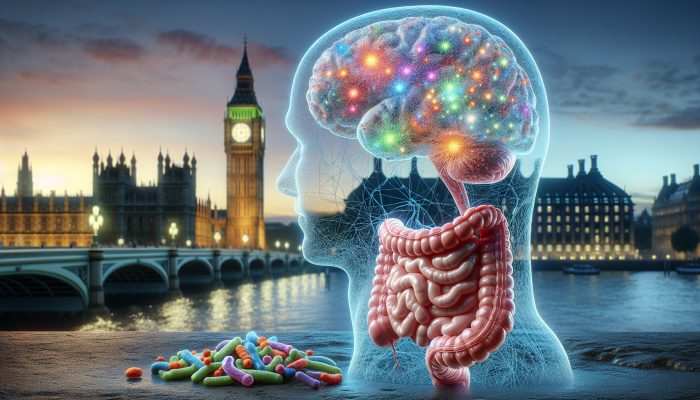
The gut microbiome significantly influences mental health by affecting a multitude of physiological and psychological processes. Recent studies conducted in the UK have shed light on the intricate relationship between gut bacterial diversity and mental health outcomes, revealing marked effects on prevalent conditions such as anxiety and depression. The gut microbiome represents a complex ecosystem of microorganisms that inhabit the digestive system, with its composition shaped by dietary habits, lifestyle choices, and environmental influences unique to the UK.
Recent groundbreaking research from the UK indicates that enhancing microbial diversity can significantly improve mental health by bolstering resilience against stress and emotional challenges. For example, findings suggest that individuals boasting a more diverse gut microbiome often report lower instances of anxiety and depression. This phenomenon can be attributed to specific bacteria that have the capacity to synthesise neurotransmitters and other vital compounds essential for optimal brain functionality. Noteworthy studies that delve into this crucial link include:
- A thorough investigation by the University of Exeter, demonstrating a clear association between increased microbial diversity in the gut and enhanced mood among participants.
- Research conducted at King's College London highlighting how gut health can influence the efficacy of antidepressant treatments.
- The University of Reading’s study on the impact of dietary changes on gut microbiome composition and their implications for mental health.
- Clinical trials at the University of Bristol illustrating how probiotics can mitigate anxiety symptoms in adolescents.
In summary, these findings strongly indicate that sustaining a healthy gut microbiome is vital for fostering mental wellbeing, offering an optimistic pathway for therapeutic strategies tailored to the specific needs of diverse populations throughout the UK.
Which Mental Health Disorders Are Linked to Gut Health Issues in the UK?
In the UK, mental health conditions such as anxiety and depression are alarmingly prevalent, with robust evidence suggesting a direct connection to gut health. National health statistics indicate that nearly one in four adults in the UK faces a mental health issue annually, with emerging research underscoring the role of gut imbalances in exacerbating these conditions. Symptoms generally appear as persistent sadness, irritability, and fatigue, all of which may be influenced by gut health.
A significant portion of the UK population adheres to diets high in processed foods and low in fibre, adversely affecting the gut microbiome. These dietary patterns correlate with rising rates of mental health disorders. For instance, research indicates that individuals who consume diets rich in fruits, vegetables, and fermented foods tend to experience better mental health outcomes. The gut microbiome’s ability to produce short-chain fatty acids, crucial for brain health, is frequently compromised by poor dietary choices.
To counter these challenges, practical measures can be implemented. Incorporating prebiotic and probiotic-rich foods into daily meals can assist in restoring gut balance and, consequently, enhancing mental health. The Mental Health Foundation in the UK advocates for dietary interventions as a crucial component of comprehensive mental health care, emphasising the substantial importance of gut health in addressing widespread mental health issues within the population.
What Factors Influence the Gut Microbiome and Mental Health in the UK?
Several distinct factors impact the gut microbiome and mental wellbeing in the UK, including environmental influences, dietary habits, and lifestyle choices. Regional dietary trends play a significant role in this dynamic, as many individuals consume high quantities of refined sugars and unhealthy fats, which detrimentally affect gut flora composition. The conventional UK diet, often reliant on processed foods, can create imbalances in gut bacteria that adversely affect mental health.
Additionally, environmental stressors, particularly those associated with urban living, present challenges to mental health. The fast-paced nature of life in cities often leads to heightened stress levels, which have been documented to disrupt the gut microbiome. Public health surveys indicate that lifestyle factors such as physical inactivity, smoking, and excessive alcohol consumption further aggravate gut imbalances, creating a detrimental cycle of poor mental health outcomes.
Addressing these complexities necessitates a multifaceted strategy. Increasing awareness about gut health through educational initiatives can empower individuals to make informed dietary choices that promote mental wellbeing. Furthermore, it is essential to recognise the influence of environmental factors; fostering supportive community environments that encourage healthy living is vital for enhancing both gut health and mental health outcomes across the UK.
How Does the Gut Microbiome Affect Mental Health in the UK?
What Biological Mechanisms Link Gut Health to Mood Disorders in the UK?
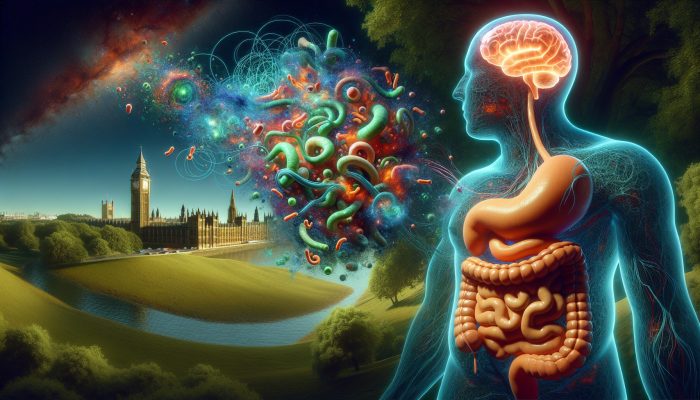
The connection between gut health and mood disorders operates through various biological mechanisms, prominently featuring the gut-brain axis. This bidirectional communication system links the central nervous system to the enteric nervous system, allowing gut microbiota to exert considerable influence on brain function. Within the UK context, factors such as diet and stress are critical in this interaction. Stressful life events can trigger dysbiosis, an imbalance of gut bacteria that contributes to the emergence of mood disorders.
One fundamental mechanism involves the synthesis of neurotransmitters. Certain gut bacteria are responsible for producing compounds like serotonin, which plays a crucial role in mood regulation. Studies indicate that individuals with a diverse gut microbiome tend to have elevated levels of these beneficial neurotransmitters, enhancing emotional resilience. Additionally, inflammation resulting from an unhealthy gut can exacerbate mood disorders, as inflammation is closely linked to an increased risk of depression.
Experts stress that comprehending these mechanisms is vital for developing targeted interventions. For example, dietary modifications aimed at enhancing gut health could potentially improve mood regulation and alleviate symptoms of mental health disorders. This underscores the necessity of prioritising gut health as both a preventive and therapeutic approach within mental healthcare, particularly in the context of the UK's healthcare system.
Which Daily Habits Affect the Link Between Gut Health and Mental Wellbeing in the UK?
Daily habits profoundly shape the relationship between gut health and mental wellbeing among individuals in the UK. Key factors include dietary choices, levels of physical activity, and social interactions, all of which can either enhance or diminish gut microbiome diversity. The typical British diet, often characterised by convenience and processed foods, can undermine gut health. Hence, integrating traditional foods such as whole grains, fruits, vegetables, and fermented products can create a more supportive gut environment.
Regular physical activity represents another crucial component of this relationship. Engaging in exercise not only fosters gut health by increasing microbial diversity but also plays a vital role in mental health by releasing endorphins and alleviating stress. In the UK, public health guidelines recommend a minimum of 150 minutes of moderate exercise each week, which can significantly enhance both gut and mental wellbeing.
Moreover, nurturing social connections provides essential emotional support and can positively influence mental resilience. Participating in community activities, whether through sports, arts, or local clubs, enhances social interaction, contributing to overall mental health. By adopting these daily habits, residents of the UK can cultivate a positive feedback loop that bolsters both gut health and mental wellbeing.
What Are the Long-Term Effects of Poor Gut Health on Mental Wellness in the UK Population?

The long-term consequences of inadequate gut health on mental wellness are becoming increasingly evident among the UK population. Chronic inflammation stemming from an unhealthy gut microbiome has been linked to enduring mental health challenges, including anxiety, depression, and cognitive decline. Epidemiological studies indicate that individuals experiencing prolonged gut dysbiosis are at a significantly increased risk of developing mental health disorders later in life.
Moreover, ongoing gut-related issues can create a cycle of mental health decline. Individuals suffering from chronic conditions often report heightened levels of stress and anxiety, which can further exacerbate gut imbalances, resulting in a challenging cycle that is difficult to break. This scenario underscores the urgent need for early intervention strategies aimed at restoring gut health to prevent long-term mental health consequences.
Preventative measures, such as public health campaigns advocating dietary changes and lifestyle improvements, are essential in addressing these issues. Furthermore, incorporating gut health education into mental health services can provide a holistic approach, empowering individuals to take charge of their health and wellbeing. By understanding the long-term implications of gut health, the UK population can better prioritise interventions that support mental resilience.
What Effective Strategies Can Enhance Gut Microbiome Health to Support Mental Wellness in the UK?
Interventions designed to improve gut microbiome health are critical for enhancing mental wellbeing in the UK. Practical strategies encompass the incorporation of probiotics, dietary modifications, and lifestyle changes grounded in current UK health guidelines. Probiotics, which are live microorganisms that confer health benefits when ingested, have gained attention for their potential to alleviate symptoms of anxiety and depression.
Clinical trials conducted in the UK have produced promising outcomes for individuals incorporating probiotics into their diets. For instance, studies indicate that certain probiotic strains can significantly reduce anxiety levels and enhance mood by promoting greater gut microbiota diversity. Additionally, dietary changes that increase fibre intake and include fermented foods can cultivate a thriving gut environment that supports mental health.
Equally important are lifestyle modifications. Engaging in regular exercise and employing stress management techniques, such as mindfulness and yoga, can profoundly impact gut health. These interventions not only enhance physical health but also strengthen mental resilience, offering a comprehensive approach to wellbeing. By embracing these strategies, individuals in the UK can effectively address mental health challenges linked to gut imbalances, paving the way for a healthier future.
Insights from Leading Experts on the Relationship Between Mental Health and Gut Microbiome
What Groundbreaking Research Insights Have UK Experts Uncovered in This Area?
Experts in the UK have made remarkable advancements in understanding the link between gut microbiome health and mental wellbeing, yielding significant research findings that reinforce this connection. Various studies conducted across leading institutions have highlighted the critical role of gut microbiota in regulating mood and behaviour. A noteworthy discovery from the University of Exeter revealed that participants with diverse gut microbiomes reported significantly lower levels of anxiety, firmly establishing a relationship between microbial diversity and emotional health.
Additionally, researchers at King's College London have explored how gut health affects the efficacy of mental health treatments. Their studies demonstrate that individuals with healthier gut microbiomes respond more positively to antidepressant medications, suggesting a potential avenue for personalising mental health interventions based on gut health status. Real-world examples from these studies emphasise the importance of integrating gut health assessments into mental health treatment plans, illustrating how a holistic approach can lead to improved patient outcomes.
Furthermore, collaboration among researchers, clinicians, and public health professionals has fostered the development of community-based initiatives aimed at raising awareness about the significance of gut health in mental wellbeing. These efforts are essential for translating academic findings into practical applications that benefit the wider UK population.
What Recommended Strategies Do UK Health Experts Endorse?
Health professionals in the UK endorse several effective strategies to enhance gut health and, consequently, mental wellbeing. A key recommendation is to adopt a balanced diet abundant in prebiotics and probiotics. Foods such as yoghurt, kefir, and fermented vegetables are incredibly beneficial, as they contain live cultures that promote a healthy gut microbiome. Furthermore, increasing fibre intake through fruits, vegetables, and whole grains can support microbial diversity, which is essential for mental health.
Expert guidance also stresses the importance of regular physical activity. Health professionals recommend at least 150 minutes of moderate-intensity exercise each week to bolster both gut health and mental resilience. This can encompass a range of activities, including walking, cycling, yoga, and team sports, making it feasible for individuals across varying fitness levels.
Moreover, mental health specialists highlight the significance of mindfulness and stress management techniques in promoting gut health. Practices like meditation and deep breathing can reduce stress levels, which positively influences gut microbiota composition. By adopting these recommended strategies, UK residents can take proactive steps to enhance their gut health and mental wellbeing.
What Challenges Do Experts Face in the UK Context?
Despite significant advancements in understanding the gut-brain connection, experts in the UK encounter various challenges in translating research into practical applications. A primary obstacle is the accessibility of resources related to gut health. Many individuals lack awareness regarding the importance of gut microbiome health, leading to missed opportunities for intervention. This gap is particularly pronounced in low-income communities, where dietary restrictions may limit access to beneficial foods.
Moreover, the stigma surrounding mental health issues can obstruct open discussions about gut health and its impact. Many individuals may feel uncomfortable seeking help, fearing judgement or misunderstanding. Experts advocate for innovative solutions to address these challenges, such as community outreach programmes that educate the public on the significance of gut health for mental wellbeing.
Furthermore, incorporating gut health into mainstream mental health services necessitates a shift in training for healthcare professionals. Providing comprehensive education on gut microbiome research and its implications for mental health could enhance practitioners' skill sets, enabling them to offer more effective treatments that address both gut and mental health needs. By overcoming these obstacles, UK experts can deliver enhanced support for individuals grappling with mental health issues linked to gut imbalances.
What Innovative Treatment Approaches Are Recommended by UK Experts?
Experts in the UK are increasingly advocating for innovative treatment strategies that leverage the connection between gut health and mental wellbeing. Emerging therapies, such as the use of specific probiotic strains and dietary modifications, are gaining traction as viable options for enhancing mental health. Recent studies indicate that certain probiotics can effectively alleviate symptoms of anxiety and depression, underscoring their potential as adjunct therapies in mental health treatment protocols.
Research conducted by British specialists has also highlighted the role of prebiotics—non-digestible ingredients that promote the growth of beneficial bacteria in the gut. These compounds show promise in improving mood and cognitive function by fostering a healthier gut environment. Case studies from UK trials illustrate the efficacy of combining probiotic and prebiotic interventions to achieve optimal mental health outcomes.
Moreover, advancements in gut health assessments, such as microbiome profiling, enable personalised treatment approaches. By analysing individual gut compositions, healthcare providers can tailor interventions to align with specific needs, optimising the effectiveness of treatment plans. As these innovative therapies continue to develop, the potential for enhancing mental health through gut microbiome interventions in the UK is increasingly recognised.
What Public Health Campaigns Exist in the UK for Gut and Mental Health?
Public health campaigns in the UK are crucial for raising awareness regarding the relationship between gut microbiome health and mental wellbeing. Government-supported initiatives aim to educate the public about the importance of maintaining a healthy gut through dietary and lifestyle changes. Campaigns promoting the consumption of fibre-rich foods and fermented products are gaining traction, with health authorities advocating for increased awareness at community levels.
Moreover, collaborative efforts between local health departments and mental health organisations are vital for implementing educational resources. Workshops, seminars, and online platforms provide valuable insights into the impact of gut health on mental wellbeing, targeting diverse populations throughout the UK. These initiatives aim to empower individuals with knowledge and practical strategies to enhance their gut health, ultimately supporting mental resilience.
Additionally, research funding for studies examining the gut-brain connection is being prioritised, reflecting the need for evidence-based approaches in public health strategies. By fostering collaboration and innovation in gut microbiome research, the UK is paving the way for comprehensive mental health support that encompasses both mental and gut health.
What Are the Benefits of Improving Gut Health for Mental Wellness?
How Can Probiotics Enhance Mental Health in the UK?
Probiotics offer numerous benefits for mental health, particularly within the UK population. These live microorganisms are known to enhance gut microbiome diversity, which is vital for maintaining overall health. Evidence suggests that probiotics can alleviate symptoms associated with common mental health issues such as anxiety and depression, making them valuable components of mental health treatments.
In the UK, specific probiotic strains have demonstrated a positive effect on mood regulation. Clinical studies indicate that individuals who incorporate these probiotics into their diets often experience reduced anxiety levels and improved emotional states. The benefits are especially pronounced among those with existing gut imbalances, as probiotics help restore a healthy microbial environment that supports mental wellbeing.
Furthermore, the role of probiotics in facilitating gut-brain communication cannot be overstated. By producing neurotransmitters and other bioactive compounds, probiotics may directly influence brain function and emotional health. Consequently, healthcare professionals in the UK increasingly recommend probiotics as a complementary strategy to improve mental health outcomes, solidifying their position in holistic approaches to mental wellness.
What Dietary Modifications Can Improve Both Gut and Mental Health in the UK?
Dietary changes significantly influence both gut health and mental wellbeing in the UK. Embracing a diet rich in whole foods can drastically benefit the gut microbiome, supporting positive mental health outcomes. Traditional British foods, such as whole grains, fruits, vegetables, and fermented products, provide essential nutrients and fibres that nourish beneficial gut bacteria.
For example, incorporating foods high in omega-3 fatty acids, like oily fish, can reduce inflammation and elevate mood. Similarly, increasing the intake of prebiotic-rich foods such as onions, garlic, and leeks fosters microbial diversity, which is crucial for maintaining a healthy gut environment. Moreover, avoiding highly processed and sugary foods is essential, as these can disrupt gut health and lead to adverse mental health consequences.
The UK government’s dietary guidelines advocate for a balanced and varied diet, aligning with the emerging understanding of the gut-brain connection. Implementing these dietary changes not only supports gut health but also cultivates mental resilience, providing a holistic approach to wellbeing. By prioritising nutrition, UK residents can actively contribute to their mental health through straightforward yet effective dietary adaptations.
Why Is Education on Gut Health Essential for Fostering Mental Resilience in the UK?
Education about gut health is vital for fostering mental resilience in the UK, as it equips individuals with the knowledge and tools necessary for making informed health decisions. Understanding the intricate connection between gut microbiome health and mental wellbeing can motivate individuals to take proactive steps towards improving both aspects.
Awareness programmes that highlight the benefits of maintaining a healthy gut can lead to positive behaviour changes. For instance, individuals who understand the influence of diet on gut health are more inclined to incorporate prebiotic and probiotic-rich foods into their meals, ultimately enhancing their mental health.
The key benefits of gut health education include:
- Increased awareness of the gut-brain connection.
- Empowerment to make informed dietary choices.
- Improved mental resilience through proactive health management.
- Reduction in stigma surrounding mental health challenges.
As public health initiatives continue to promote gut health education, the potential for improved mental wellbeing among diverse populations in the UK becomes increasingly attainable. By fostering a culture of awareness and understanding, UK residents can build a stronger foundation for mental resilience.
Research-Driven Benefits of the Connection Between Mental Health and Gut Microbiome
What Evidence Supports Gut Interventions for Enhancing Mental Health in the UK?
An expanding body of evidence substantiates the advantages of gut interventions for mental health in the UK, underscoring the promising role of dietary and lifestyle adjustments in enhancing mental wellbeing. Clinical trials carried out in the UK have demonstrated significant improvements in anxiety and depression symptoms through targeted interventions aimed at bolstering gut health.
For instance, studies examining the effects of probiotics and prebiotics have revealed that these interventions can lead to measurable enhancements in mood and cognitive function among participants. The evidence is particularly compelling for individuals with existing mental health conditions, as these interventions can serve as a complementary approach to traditional treatments, improving overall health outcomes.
Moreover, epidemiological research indicates a strong correlation between dietary patterns and mental health, reinforcing the notion that our diets directly influence our mental states. By concentrating on gut microbiome health, healthcare providers in the UK are increasingly acknowledging the significance of incorporating dietary strategies alongside therapeutic interventions.
The accumulation of this evidence emphasises the necessity for ongoing research and investment in gut health studies, as understanding these connections can inform public health strategies aimed at alleviating mental health challenges throughout the UK.
What Positive Outcomes Have Emerged from Gut-Focused Therapies in the UK?
Positive results from gut-focused therapies have been documented in various case studies across the UK, showcasing the tangible benefits of integrating gut health interventions into mental health treatment. For instance, individuals who participated in programmes aimed at enhancing gut microbiome diversity reported significant reductions in anxiety and depressive symptoms following dietary modifications and the incorporation of probiotics.
A notable case study from a mental health clinic in London monitored the progress of patients introduced to a gut health-focused dietary regimen. Over several months, patients adhering to the new dietary guidelines experienced enhanced mood stability and reduced stress levels, highlighting the efficacy of these interventions in clinical settings.
Integrating gut-focused therapies into existing mental health treatment plans has also shown promise in improving overall therapeutic outcomes. Mental health professionals collaborating with nutritionists to create comprehensive care plans that address both gut health and mental wellbeing are achieving notable success in patient recovery. These encouraging results validate the importance of recognising gut health as a critical component of mental health care within the UK.
What Future Research Directions Are Anticipated in the UK for This Topic?
Future directions in UK research exploring the intersection of gut health and mental wellbeing hold great promise, as scientists and health professionals continue to investigate innovative approaches to understanding and addressing these complex relationships. Ongoing studies aim to identify specific microbial strains that exert the most significant effects on mental health, potentially leading to targeted probiotic therapies.
Moreover, researchers are increasingly examining the impact of lifestyle factors, such as sleep and stress management, on shaping the gut microbiome and its influence on mental health. Gaining insights into these interactions can provide valuable information for holistic treatment approaches that encompass both physical and mental health.
Another essential focus area is the development of personalised nutrition interventions tailored to individual microbiome profiles. By customising dietary recommendations to meet each patient's distinct needs, healthcare providers in the UK can optimise treatment outcomes and enhance mental resilience.
As research progresses, there is a growing emphasis on translating scientific findings into practical applications. Collaborative efforts among researchers, clinicians, and public health officials can facilitate the dissemination of knowledge and the implementation of effective strategies that enhance mental health through gut microbiome interventions across the UK.
Why Is the Gut-Brain Axis Crucial for Mental Health in the UK?
How Does Stress Affect the Gut Microbiome in UK Residents?
Stress plays a detrimental role in gut health by disrupting the delicate balance of the microbiome, a phenomenon that is well-documented among individuals in the UK. The bidirectional relationship between the gut and brain indicates that stress can lead to alterations in gut microbiota composition, resulting in dysbiosis, which is associated with various mental health challenges.
Under stress, the body releases hormones such as cortisol, which can negatively impact gut permeability and bacterial diversity. Studies have shown that chronic stress can promote increased inflammation and an imbalance between beneficial and harmful bacteria, exacerbating mood disorders such as anxiety and depression. In the UK, where lifestyle stressors are prevalent, understanding this relationship is crucial for developing effective mental health interventions.
Addressing stress-related gut issues necessitates a comprehensive approach that encompasses stress management techniques, dietary modifications, and lifestyle adjustments. By recognising the impact of stress on gut health, individuals can take proactive measures to mitigate its effects, ultimately supporting their mental wellbeing.
What Influence Do Lifestyle Factors Have on the Gut-Brain Axis for Individuals in the UK?
Lifestyle factors in the UK significantly shape the gut-brain axis, influencing both gut health and mental wellbeing. Elements such as diet, physical activity, and social interactions directly affect the composition and diversity of gut microbiota, subsequently impacting mental health outcomes.
The traditional British diet, often characterised by low fibre and high sugar content, can undermine gut microbiome health, leading to adverse mental health implications. Conversely, incorporating nutrient-dense foods and increasing physical activity levels can foster a healthier gut environment. Regular exercise has been shown to enhance microbial diversity and promote the release of neurotransmitters beneficial for mental health.
Social interactions also play a crucial role in maintaining a healthy gut-brain axis. Building supportive relationships and participating in community activities can reduce stress levels, further promoting gut health. As lifestyle factors interconnect with gut microbiome health, understanding their collective impact is essential for developing effective mental health strategies tailored to the UK population.
What Innovative Trends Are Deepening Our Understanding of This Connection in the UK?
Emerging trends in the UK are enriching our understanding of the gut-brain connection, revealing innovative methods for improving mental health through gut health interventions. Recent public health campaigns have concentrated on raising awareness about the importance of gut microbiome health, motivating individuals to adopt healthier lifestyles that support both physical and mental wellbeing.
Furthermore, advancements in scientific research are uncovering the complex interactions between gut microbiota, diet, and mental health. Studies exploring the gut-brain axis are increasingly incorporating interdisciplinary approaches that merge insights from nutrition, psychology, and microbiology to foster a comprehensive understanding of these relationships.
Another trend gaining traction is the growing interest in personalised nutrition and its potential to optimise mental health outcomes. Research is investigating how individual microbiome profiles can inform tailored dietary recommendations, enabling healthcare providers to deliver more effective interventions based on specific needs.
As these emerging trends continue to evolve, they hold the promise of transforming mental health care in the UK, paving the way for holistic approaches that prioritise gut health as a cornerstone of mental wellbeing.
Effective Strategies to Enhance Gut Health for Improved Mental Health in the UK
What Simple Dietary Adjustments Can UK Residents Make?
Simple dietary adjustments can significantly enhance gut health and mental wellbeing for residents in the UK. Incorporating a diverse range of whole foods into daily meals is essential for nourishing the gut microbiome. For instance, increasing the intake of fruits, vegetables, and whole grains provides essential fibres that act as prebiotics, encouraging the growth of beneficial gut bacteria.
Additionally, including fermented foods such as yoghurt, kefir, and sauerkraut in the diet can introduce live cultures that support gut health. These foods are not only rich in probiotics but also contribute to a diverse microbiome, which is vital for mental health. The culinary traditions of the UK provide ample opportunities to integrate these nutritious foods into everyday meals, making it easier for individuals to adopt healthier eating habits.
Moreover, reducing the consumption of processed foods and added sugars is crucial for maintaining a balanced gut microbiome. By focusing on whole, minimally processed foods, UK residents can improve their gut health, ultimately supporting their mental wellbeing. These straightforward dietary changes can yield lasting improvements in both physical and mental health.
Which Exercise Routines Benefit Both Gut and Mental Health for UK Residents?
Regular exercise routines offer significant advantages for both gut and mental health among individuals in the UK. Engaging in physical activity not only enhances gut microbiome diversity but also elevates mood and diminishes stress levels. The recommended 150 minutes of moderate-intensity exercise per week can encompass various activities, from brisk walking and cycling to swimming and group sports.
Research indicates that aerobic exercise can lead to increased levels of beneficial bacteria in the gut, positively influencing mental health outcomes. Moreover, exercise is associated with the release of endorphins, which enhance mood and diminish anxiety levels. Incorporating enjoyable activities into daily routines can facilitate consistency, further supporting gut health.
Community-based exercise programmes, such as group fitness classes or local sports clubs, also foster social interaction, which is advantageous for mental health. By building connections with others while participating in physical activity, UK residents can enhance both their gut and mental wellbeing, thereby creating a comprehensive approach to health.
How Can Individuals Track Their Progress Using UK Health Resources?
Monitoring progress in gut health and mental wellbeing is essential for sustained improvements, and various UK health resources are available to assist individuals in this endeavour. Healthcare providers often recommend maintaining a food diary to track dietary choices, enabling individuals to identify patterns that may influence their gut health and mental state.
Mobile health applications can also support progress tracking, offering insights into dietary habits, exercise routines, and mental health indicators. Many of these applications feature functions that allow users to set goals, monitor their intake of probiotics and prebiotics, and log mood fluctuations, fostering a comprehensive understanding of their health journey.
Additionally, engaging with local health services and community programmes can provide valuable support and resources. Regular check-ins with healthcare professionals can ensure that individuals receive tailored advice and interventions based on their unique needs, reinforcing accountability and motivation in their pursuit of improved gut health and mental wellbeing.
Frequently Asked Questions
What Is the Gut Microbiome?
The gut microbiome is a complex ecosystem of microorganisms residing in the digestive tract, playing a crucial role in digestion, immunity, and overall health, including mental wellbeing.
How Does Gut Health Affect Mental Health?
Gut health impacts mental health through the gut-brain axis, where the composition of gut bacteria influences mood regulation, stress response, and the production of neurotransmitters.
What Are Probiotics, and How Do They Help?
Probiotics are live microorganisms that confer health benefits when consumed. They help restore and maintain a healthy gut microbiome, potentially alleviating symptoms of anxiety and depression.
Can Dietary Changes Improve Gut Health?
Yes, dietary changes such as increasing fibre intake, consuming fermented foods, and reducing processed foods can significantly enhance gut health and, consequently, mental wellbeing.
What Role Does Exercise Play in Gut Health?
Exercise promotes gut health by enhancing microbial diversity and reducing stress, which can positively affect mental health outcomes.
Are There Specific Foods to Support Gut and Mental Health?
Foods rich in fibre, omega-3 fatty acids, and probiotics, such as fruits, vegetables, whole grains, and fermented products, support both gut and mental health.
How Can Stress Impact Gut Health?
Stress can disrupt the balance of gut bacteria, leading to dysbiosis, which is associated with increased inflammation and a higher risk of mental health issues.
What Are Prebiotics, and Why Are They Important?
Prebiotics are non-digestible fibres that nourish beneficial gut bacteria, promoting a healthy microbiome and supporting mental health.
How Can I Monitor My Gut Health?
Monitoring gut health can be accomplished through food diaries, mobile health apps, and regular consultations with healthcare providers to track dietary habits and mental wellbeing.
What Public Health Initiatives Exist in the UK for Gut Health?
Public health initiatives in the UK promote awareness of gut health through educational campaigns, community programmes, and access to resources that support mental wellbeing and healthy dietary choices.
Join Us on Facebook for the Latest Updates!
The Article Mental Health and Gut Microbiome: Exploring the Connection Was First Published On https://acupuncture-frome.co.uk
The Article Gut Microbiome and Mental Health: Uncovering the Link Was Found On https://limitsofstrategy.com