Effective Identification and Resolution of Common Flat Roof Issues for Homes on the Central Coast
Although flat roofs may not be the predominant choice in Australia, their usage is steadily increasing among both residential and commercial properties. These roofs are frequently installed on patios, carports, walkways, and any area where low-pitch roofing is necessary. In cases of minimal slope, flat roofs may also be referred to as “skillion roofs.”
While flat roofs offer several benefits, they come with distinct challenges that homeowners must acknowledge. Recognising the common issues associated with flat roofing systems and proactively implementing strategies to prevent them is essential, particularly on the Central Coast, where a challenging coastal climate, significant rainfall, and salt-laden air can exacerbate roofing complications.
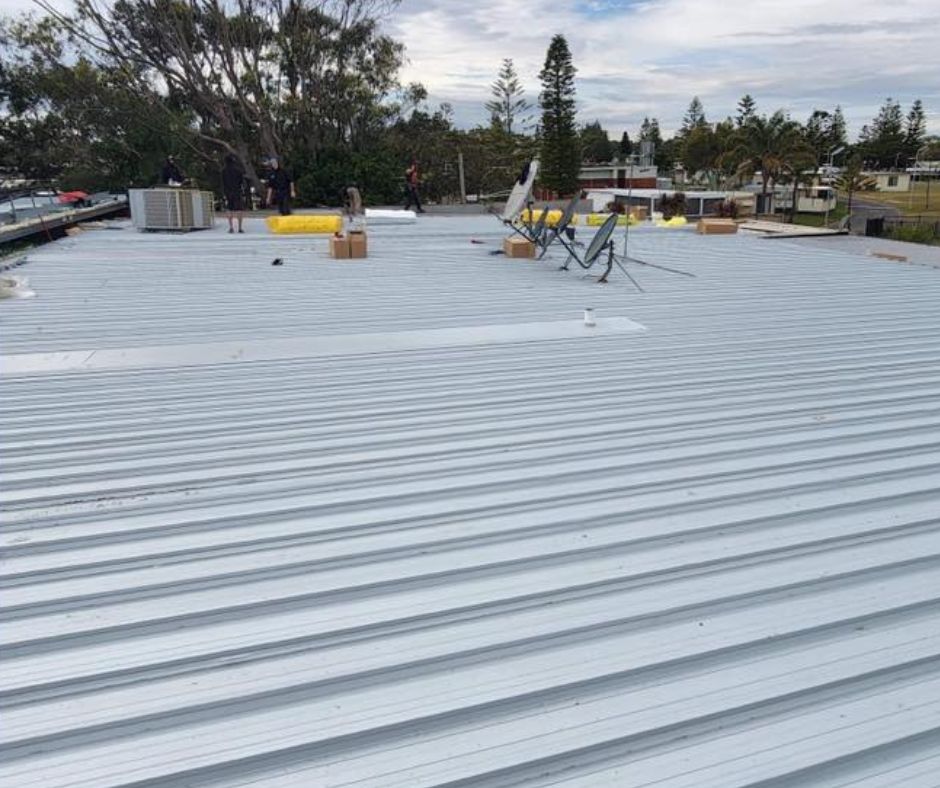
What Drives the Increasing Demand for Flat Roofs Among Homeowners?
The growing interest in flat roofs within both residential and commercial building sectors is attributed to several compelling factors:
- They can be installed swiftly and effortlessly, leading to quicker project completions.
- They offer easier maintenance access, making routine inspections and repairs much simpler.
- They provide an excellent platform for solar panel installations, enhancing energy efficiency.
The primary concern with flat roofs is the management of water drainage. Water poses the greatest threat to your roof. When planning a new roof installation or updating an existing structure, it is crucial to consider several factors, particularly rainfall, which can vary greatly across different regions in Australia.
What Are the Main Drainage Challenges Associated with Flat Roofs?
Unlike pitched roofs, which facilitate quick rainwater runoff into gutters, flat roofs have minimal slope. This design can lead to water pooling that persists for extended periods. If water is not efficiently directed off the roof, it may cause:
- Surface staining and degradation of roofing materials.
- Long-term structural weakening of roofing components.
- Accumulation of mould and mildew, which can pose health risks.
- Leaks that can permeate the building's interior.
Addressing these challenges requires effective roof plumbing and thoughtful design that accounts for the unique difficulties presented by flat roofs.
How to Enhance Flat Roof Designs for Optimal Drainage Performance
Before installation, a qualified roofing contractor will evaluate several crucial factors that influence drainage efficiency:
- Local rainfall intensity and typical weather patterns.
- Overall roof area and accurate measurements.
- Gutter configurations and efficient drainage outlets.
- Specifications for downpipe dimensions.
- Overflow prevention measures to handle excess water.
- Considerations regarding roof pitch to improve drainage.
Most roofing manufacturers advocate for a minimum slope of 5° for low-pitch roofs. Roofs with less than this pitch can compromise waterproofing efforts and may even void product warranties, resulting in costly repairs.
Standard corrugated roofing sheets, while suitable for pitched roofs, are not ideal for very low-pitch applications. For flat roofs, using specific roofing profiles designed for effective water shedding is highly recommended to ensure long-lasting performance.
Exploring the Most Effective Metal Roofing Profiles for Low-Pitch and Flat Roof Installations
Two of the top recommended roofing profiles for low-pitch and flat roofs include:
Trimdek: This adaptable profile is suitable for both roofing and wall applications. Its 28mm rib height and specially crafted capillary groove enhance water tightness, even at a minimal pitch of 2°.
Kliplok: This innovative clipped roofing profile employs hidden clips instead of screws to secure sheets. This approach effectively prevents water ingress through screw penetrations, making it an excellent option for low-pitch installations.
Choosing the right roofing profile based on your roof pitch and local rainfall conditions is critical for ensuring the durability and reliability of your roofing system.
How to Effectively Handle Box Gutters and Drainage on Flat Roofs
On flat roofs, box gutters are commonly used to connect roof panels to drainage outlets. As box gutters are located below the roof plane, they require precise detailing and installation to prevent blockages and issues related to water backflow.
Common issues linked with box gutters include:
- Debris accumulation from surrounding trees and foliage.
- Improper fall or slope that obstructs water flow.
- Overflowing back into the roof structure, leading to leaks.
- Blocked downpipes that hinder effective drainage.
Resolving these challenges begins with proper gutter design and a commitment to regular maintenance to ensure optimal functionality.

What Factors Should You Consider When Choosing Guttering for Your Flat Roof?
Standard gutters may lack the capacity to manage the water flow requirements of flat roofs effectively. It is often necessary to implement guttering specifically designed to handle larger water volumes. Next, we will explore various drainage and overflow options that can be incorporated into your flat metal roof design.
- Facilitate rapid water removal during heavy rainfall.
- Effectively clear debris with high flow capabilities.
- Provide easier cleaning and maintenance options for homeowners.
Our top recommendation for gutters is self-cleaning designs, which are perfect for flat metal roofs and also offer an aesthetically pleasing appearance!
We recommend a half-round gutter due to its superior water-carrying capacity, which promotes quicker drainage. This design efficiently sweeps away silt and sludge build-ups with each rainfall, ensuring a cleaner system over time.
For optimal performance on flat roofs, gutters should be adequately sized based on local rainfall patterns and linked to appropriately sized downpipes (for example, 100mm × 75mm) that can accommodate substantial water volumes. In areas with many trees, installing leaf diverters or guards can significantly reduce blockage issues.
How Do Flashings Help Prevent Water Entry at Roof Joints?
Flashings are vital components installed at joints where roof sheets intersect with walls or other surfaces, including around skylights, chimneys, and at internal corners. On flat roofs, proper installation of flashings is crucial, as water can pool around these joints if they are not adequately sealed.
To effectively prevent water ingress:
- Flashings must be meticulously shaped to conform to the roof profiles.
- Waterproof sealants should be applied at all joints to ensure tight seals.
- Extra care is needed at corners and seams where water may accumulate.
By ensuring that flashings and sealants are installed correctly, you can achieve a water-tight roof, even during heavy rainfall. Our team takes special care during installation and utilises high-quality waterproof sealant to prevent water pooling in these vulnerable areas.
Why Is Routine Maintenance Essential for the Longevity of Flat Roofs?
Flat roof systems, particularly those linked to box gutters, require regular inspections and maintenance to ensure their long-term effectiveness. This includes:
- Clearing debris from gutters and box gutters to maintain clear drainage.
- Checking downpipes for any signs of potential blockages.
- Inspecting roof surfaces for minor cracks or areas where water may pool.
- Re-sealing flashings as needed to uphold waterproof integrity.
Conducting consistent maintenance checks can prevent the need for more extensive repairs in the future, thereby extending the lifespan of your roofing system.
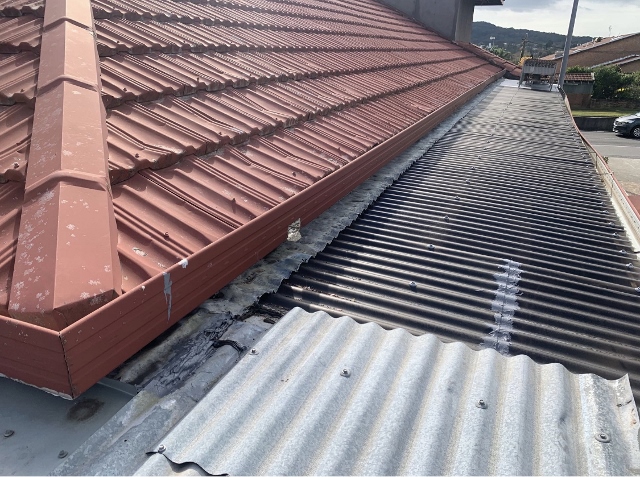
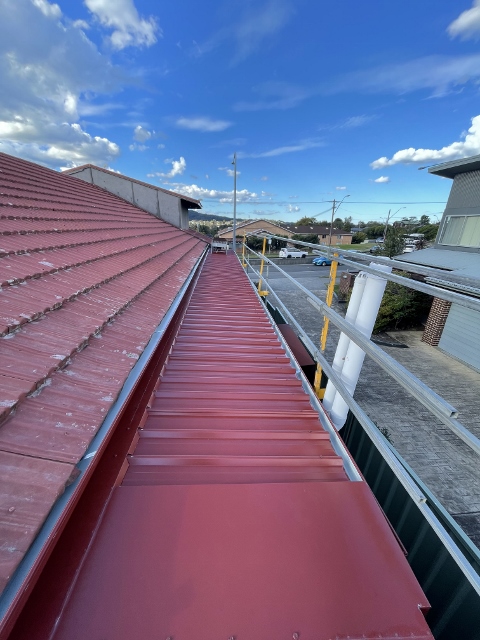
Discover the Numerous Advantages of Properly Installed Flat Roofs
When designed and installed by experienced metal roofing professionals, flat roofs can offer:
- A modern, sleek architectural aesthetic that boosts property value.
- Optimised space for patios, decks, or utility services, maximising utility.
- Convenient access for maintenance or solar panel installation, simplifying upkeep.
Moreover, flat roofs can seamlessly integrate with existing pitched roof structures when drainage and detailing are effectively managed, thereby enhancing the overall functionality and visual appeal of the building.
How to Ensure You Receive the Right Flat Roof Installation on the Central Coast
A well-designed and expertly installed flat metal roof can deliver both functionality and long-lasting durability in the coastal environment. Whether you are embarking on a new construction project, extending a patio, or adding a carport, selecting the right roofing system and drainage design is crucial for achieving optimal performance and longevity.
Contact AWS Roofing today to request a quote and secure your installation date. With another wet summer approaching, now is the ideal time to address any roofing issues and prevent more significant problems in the future.
Flat Roof Frequently Asked Questions: Do Flat Roofs Encounter More Problems Compared to Pitched Roofs?
Flat roofs can indeed face more drainage challenges if they are not designed correctly. Without adequate slope, water may pool or leak into the building structure. However, when constructed with the appropriate pitch, roofing profile, box gutter design, and flashing techniques, flat roofs can be just as resilient as pitched roofs.
What is the Ideal Roof Pitch for a Flat or Low-Slope Roof?
Most roofing manufacturers recommend a minimum pitch of 5 degrees for metal flat roofs. Profiles such as Trimdek and Kliplok can perform effectively at pitches as low as 2 degrees when installed correctly and properly sealed against water. Anything below 5 degrees requires careful selection of materials and detailed guttering strategies to ensure proper drainage.
Is it Feasible to Install Solar Panels on a Flat Metal Roof?
Absolutely, flat metal roofs are ideal for solar panel installations. The accessible surface simplifies the installation process and enhances safety. Typically, panels are tilted on angled mounts to optimise sun exposure and prevent water from pooling underneath, ensuring efficiency in energy production.
What Exactly Are Box Gutters and Why Are They Utilised on Flat Roofs?
Box gutters are internal roof gutters positioned below the roof line, often located between roof sections or along parapet walls. They are commonly used on flat roofs to effectively manage runoff, but they must be carefully sized and sloped to avoid blockages and overflow issues that could compromise the roof's integrity.
Do Flat Roofs Require Special Gutters or Downpipes?
Yes, flat roofs typically necessitate higher-capacity gutters and larger downpipes to facilitate effective water drainage. Half-round gutters and 100x75mm downpipes are frequently employed to enhance flow and prevent water accumulation. Additionally, overflow devices and leaf diverters may be beneficial in reducing maintenance needs.
What is the Lifespan of a Flat Metal Roof?
When properly installed, equipped with appropriate drainage, and maintained regularly, a flat Colorbond or Zincalume metal roof can last anywhere from 20 to 30 years or even longer. Keeping box gutters clear and resealing flashings as necessary will significantly extend the roof's lifespan and performance.
The Article: Flat Metal Roofs And Their Leaking Problems first appeared on https://writebuff.com
The Article Leaking Problems of Flat Metal Roofs Explained Was Found On https://limitsofstrategy.com