Master the Essential Ingredients for Creating Perfect Cakes
What Are the Key Ingredients Essential for Successful Cake Baking?
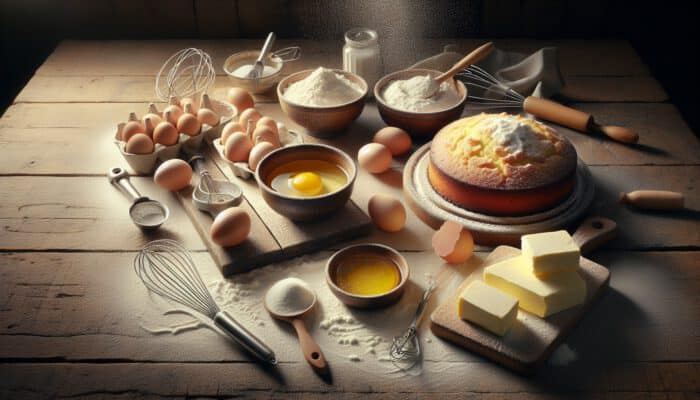
Baking scrumptious cakes is a delightful hobby that necessitates a thorough understanding of the fundamental ingredients that are pivotal in any cake recipe. For those beginning their baking journey, grasping these essential components can lead to remarkable outcomes and cultivate a rewarding sense of accomplishment. The foundational ingredients comprise flour, sugar, eggs, and butter, each of which plays a crucial role in determining the texture and flavour of your cake.
Flour is indispensable for providing structure and stability to your cakes. While all-purpose flour is the most common choice due to its adaptability, opting for cake flour can create lighter, fluffier cakes because of its lower protein content. It is vital to measure flour accurately; spooning it into the measuring cup and levelling it off helps prevent compaction, which can lead to denser cakes. Precise measurements are crucial for achieving the desired texture and consistency in your baked goods.
Sugar does more than simply sweeten your cake; it also enhances moisture and colour. Granulated sugar is widely used, yet brown sugar can impart a richer flavour and additional moisture to your creations. Understanding the effects of different sugar types on texture and taste empowers bakers to experiment creatively with their recipes.
Eggs fulfil multiple roles in baking: they bind ingredients, add richness, and provide a stable structure. The size of the eggs can significantly impact the end result, so it is advisable to use large eggs unless otherwise specified. Those looking for egg alternatives can successfully use options like applesauce or flaxseed meal, although adjustments in quantities may be necessary.
Butter, whether salted or unsalted, plays a vital role in both flavour and moisture content. Some recipes require melted butter, while others call for it to be creamed with sugar. To ensure a smooth blend, it is essential for beginners to use room-temperature ingredients before mixing.
In addition to these vital staples, bakers should consider the inclusion of baking powder or baking soda for leavening, which is essential to ensure your cakes rise beautifully. As your confidence increases, feel free to experiment with alternative ingredients such as coconut oil or plant-based milks to create an array of cake recipes that cater to diverse dietary preferences.
How to Select Fresh Ingredients to Enhance Your Cake Recipes
The quality of the ingredients you choose has a significant impact on the success of your cake, particularly when it comes to fresh produce. Opting for seasonal fruits and other add-ins can significantly enhance the flavour and texture of your cakes while keeping recipes both accessible and budget-friendly.
When selecting fruits like blueberries, strawberries, or bananas, it is important to consider their seasonal availability. Fresh produce not only tastes superior but often offers enhanced nutritional value. For instance, strawberries in spring and summer are typically sweeter and juicier, making them perfect for cake recipes during these warmer months.
To ensure you select the finest ingredients, look for fruits with vibrant colours, firm textures, and inviting aromas that indicate ripeness. Checking for bruises or soft spots can help you avoid overripe or spoiled fruits, ensuring that only the best make it into your cake batter.
The advantages of incorporating fresh produce into your baking include:
- Richer flavour: Seasonal fruits generally offer a more vibrant flavour profile.
- Improved texture: Fresh fruits add moisture and enhance texture, elevating your cakes significantly.
- Nutritional benefits: Fresh, ripe produce typically contains higher levels of essential vitamins and minerals.
- Cost-effectiveness: Seasonal fruits are usually more affordable and abundant.
When adding fruits to your recipes, remember to account for their moisture content and adjust other ingredients, such as flour or sugar, accordingly. For example, incorporating mashed bananas can boost moisture, necessitating a reduction in liquid components to maintain balance.
How to Prepare Your Mixing Tools for Successful Baking
Equipping yourself with the right tools can greatly influence your success in baking beautiful cakes as a novice. Investing in a few essential items will set you on the right path and ensure a seamless baking experience. Key tools to have handy include mixing bowls, measuring cups, spatulas, and electric mixers.
Mixing bowls are available in various materials, including glass, stainless steel, and plastic. Glass bowls are durable and microwave-safe, while stainless steel bowls excel in retaining cold, making them ideal for whipping cream or egg whites. Having an assortment of sizes enhances versatility when mixing different quantities of ingredients.
When it comes to measuring cups, ensure you possess both dry and liquid measuring tools. Dry measuring cups are typically nested, while liquid measuring cups feature a spout for easier pouring. Accurate measurements are vital, as they can significantly affect your cake's outcome, making it essential to invest in a reliable set.
Spatulas are invaluable for combining ingredients without overmixing and for scraping down the sides of bowls. A silicone spatula is perfect for both mixing and folding in ingredients, while a metal spatula is ideal for accurately levelling off dry ingredients.
Proper maintenance of your tools is equally crucial. Clean your mixing bowls and utensils immediately after use to prevent sticky residues and ensure they are ready for your next baking project. Store your tools in a dry, easily accessible location to avert damage and optimise your baking process.
What Are the Best Practices for Accurate Ingredient Measurement?
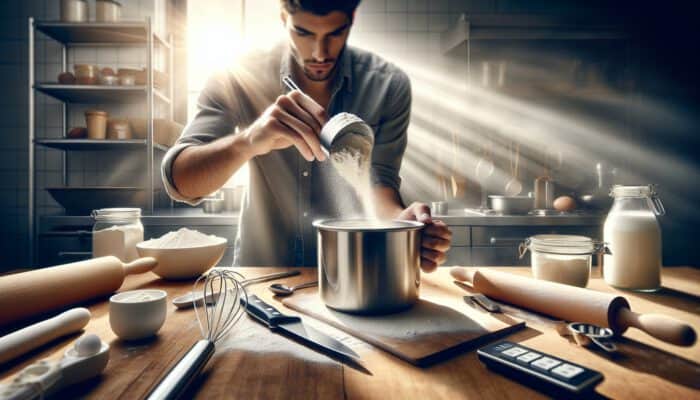
Accurate measurements are fundamental in baking, especially for novices. Unlike cooking, which often permits improvisation, baking necessitates precise ratios for the essential chemical reactions to occur successfully. Employing the right measuring tools is crucial to ensuring your cake turns out as intended.
Utilising measuring cups and spoons is the traditional method for measuring ingredients. For dry components such as flour and sugar, spoon the ingredient into the measuring cup without packing it, then level it off with a straight edge. This technique prevents the inadvertent addition of excess ingredients, which can lead to dense or dry cakes.
For liquids, opt for a clear liquid measuring cup marked with measurements on the side. Place it on a flat surface and pour the liquid until the bottom of the meniscus aligns with the desired measurement. This method guarantees accuracy when measuring liquid components, ensuring your cake's success.
Incorporating a digital kitchen scale into your baking routine can significantly enhance precision, particularly when following recipes that provide weights. Weighing ingredients eliminates the variability associated with measuring cups, resulting in more consistent outcomes in your baking adventures.
When measuring ingredients, be wary of common pitfalls such as over- or under-measuring, as these can markedly affect the texture and flavour of your cake. For instance, adding too much baking powder may cause a cake to rise too quickly and subsequently collapse. Developing careful measuring practices is essential as you advance your baking skills and confidence.
What Characteristics Define an Ideal Cake Recipe for Beginners?
Mastering Core Baking Techniques for Successful Cakes
Grasping fundamental baking techniques is crucial for achieving success, particularly for novices. Understanding basic methods such as mixing, folding, and creaming can elevate a beginner baker to a competent level, paving the way for more intricate recipes in the future.
Mixing is often the first technique encountered by beginners. This process involves combining dry and wet ingredients to create a batter. For novices, it is vital to mix gently to avoid overworking the flour, which can lead to tough cakes. A few gentle stirs are usually sufficient to blend the ingredients without overmixing.
Folding is another essential technique. This method is used to incorporate lighter ingredients, such as whipped cream or egg whites, into a denser batter. The objective is to maintain the airiness of the whipped components. To fold, use a spatula to cut through the centre of the mixture, scrape along the bottom, and lift it over the top. Repeat this process until the ingredients are just combined.
Creaming involves beating butter and sugar together until the mixture becomes fluffy. This technique is vital for achieving a light texture in cakes. Proper creaming introduces air into the mixture, which contributes to the cake's rise during baking. Beginners should focus on achieving a pale, fluffy mixture before adding eggs.
By mastering these basic techniques, you lay the groundwork for future baking adventures. As you gain confidence, you can explore variations and combine these techniques to create an exciting range of cake recipes.
Strategies for Balancing Flavours in Basic Cakes
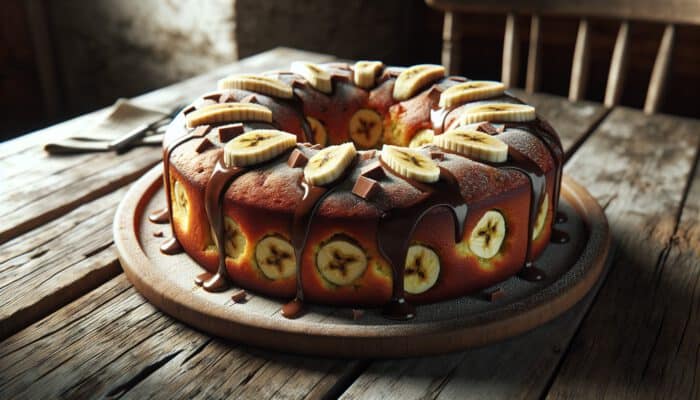
Creating a harmonised flavour profile in your cakes is essential for achieving a delightful final product. A simple cake should encourage experimentation without fear, presenting a pleasing interplay of sweetness, moisture, and texture.
When crafting a cake, pay attention to the level of sweetness. While most cakes rely on sugar for sweetness, incorporating ingredients such as fruit or chocolate can introduce natural sweetness without excessive sugar. For example, using ripe bananas or applesauce can contribute both moisture and sweetness, thereby reducing the need for added sugar.
Maintaining balance in moisture is equally critical. The type of fat used and the ratio of liquid ingredients can profoundly affect the overall texture of the cake. For beginners, learning how to adjust moisture levels using ingredients like yogurt or sour cream can enhance the flavour and mouthfeel of the cake.
Exploring spices and extracts can elevate your simple cakes. Ingredients like vanilla extract, lemon zest, or cocoa powder can add depth of flavour, encouraging creative recipes that reflect your personal tastes.
To aid in flavour balancing, consider these helpful tips:
- Start with a base recipe: a simple cake recipe.
- Experiment gradually: Add flavours incrementally and taste as you go.
- Keep notes: Document your ingredient changes and flavour outcomes for future reference.
- Utilise complementary ingredients: Pair ingredients that naturally enhance each other, such as chocolate and orange.
By taking the time to experiment with flavour balance, beginners can deepen their understanding of cake crafting, ultimately leading to more successful and enjoyable baking experiences.
How to Avoid Common Baking Mistakes as a Novice Baker
Encountering baking errors can be disheartening for beginners, but learning about common pitfalls and how to navigate them can lead to rewarding outcomes. By recognising potential issues early on, you can avoid mishaps and create successful cakes even on your first attempt.
One of the most frequent mistakes is overmixing. When flour is mixed too vigorously, gluten develops, resulting in a heavy or dense cake. To prevent this, mix only until the ingredients are combined. If your batter appears slightly lumpy, don’t be alarmed; it is perfectly normal to have some texture in the mixture.
Another common problem is incorrect oven temperature. Cakes require specific baking conditions, and an oven that is too hot can cause cakes to rise rapidly before collapsing. Investing in an oven thermometer can help ensure that your baking environment is optimal and consistent.
You may also experience issues with cakes sinking. This can happen for various reasons, such as underbaking or frequently opening the oven door during baking. To prevent this, ensure your cake bakes for the recommended time and conduct the toothpick test—insert a toothpick into the centre, and if it comes out clean or with a few crumbs, your cake is ready.
To help you navigate these common baking errors, consider these practical tips:
- Follow the recipe closely: Pay attention to mixing and baking times.
- Preheat your oven: Always ensure your oven is at the correct temperature before baking.
- Avoid opening the oven door: Resist the urge to peek while your cake is baking, as this can affect the internal temperature.
- Use the correct bakeware: Ensure you are using the right size and type of pan for even baking.
By being mindful of these potential pitfalls, novice bakers can enhance their skills and confidence, leading to consistently delightful cake creations.
How to Choose Quality Ingredients for Cake Baking
Selecting the right ingredients can profoundly influence the success of your cakes. For beginners, understanding the importance of choosing fresh, high-quality staples lays a solid foundation for future baking endeavours.
Using local produce not only supports your community but also typically guarantees that you acquire the freshest ingredients available. Seasonal fruits and vegetables not only taste better but can also be more cost-effective. For example, incorporating fresh berries in the summer can enhance the flavour of your cakes while keeping costs down.
Quality baking staples, such as flour and sugar, are equally vital. Investing in reputable brands can significantly impact your final product. When baking cakes, using high-quality vanilla extract or real butter can dramatically elevate the flavour profile of your creation.
Understanding ingredient substitutions is also crucial for beginners. For example, if you do not have buttermilk on hand, a simple mixture of milk and vinegar can create a similar acidity that benefits your cake’s texture.
To assist you in selecting the best ingredients, consider these practical insights:
- Check for freshness: Choose ingredients with clear expiration dates to ensure quality.
- Explore local markets: Farmers' markets often offer fresh, local produce that can enhance your baking.
- Invest in quality: Opt for reputable brands over generic options for essential baking staples.
- Maintain a well-stocked pantry: Regularly replenish essential baking ingredients to avoid last-minute scrambles.
By focusing on the right ingredients, you’ll improve the flavour of your cakes and build a strong foundation for exploring the diverse world of baking.
Expert Advice on Selecting the Best Starter Cake Recipes
What Key Factors Should Influence Your Choice of Cake Recipes?
Choosing the right cake recipe is a pivotal step in the baking process. Factors such as personal preferences, available ingredients, and skill levels significantly influence which recipes are suitable for beginners.
When embarking on your baking journey, consider your flavour preferences. Do you favour chocolate, vanilla, or fruity options? Identifying your favourite flavours can guide you toward recipes that will be most satisfying and enjoyable to create.
Next, evaluate the ingredients you already possess. For beginners, it is beneficial to select recipes that utilise common pantry staples, which can ease the learning curve. For instance, a simple vanilla cake requires very few ingredients and serves as an excellent starting point.
Your skill level will also dictate your recipe choices. Opt for recipes with straightforward instructions and minimal techniques. As you gain experience, you can gradually progress to more complex recipes that challenge your abilities and enhance your skills.
To assist in making recipe selections, consider these helpful steps:
- Identify your flavour preference: Choose recipes that excite your palate and align with your tastes.
- Evaluate available ingredients: Select recipes based on what you have to avoid unnecessary purchases.
- Start simple: Begin with beginner-friendly recipes before branching out to more complex options.
- Read reviews: Look for highly rated recipes to gauge their reliability and quality.
By considering these factors, you’ll be more likely to choose recipes that align with your current capabilities while still providing room for growth and exploration in your baking journey.
How to Modify Recipes to Accommodate Dietary Needs
Baking is a universal joy, and adapting recipes to meet dietary needs is crucial for making cakes inclusive for all. As dietary preferences continue to diversify, learning how to modify recipes ensures that everyone can indulge in sweet treats.
For individuals with egg allergies, several effective substitutes are available. Ingredients like unsweetened applesauce or mashed bananas can replace eggs in many recipes, providing moisture and binding without sacrificing flavour. Typically, a quarter cup of either can serve as a substitute for one egg.
If you or your guests are gluten-sensitive, explore gluten-free flour blends that mimic the texture of regular flour. Many brands offer pre-mixed options that include xanthan gum to help with structure and stability in your baked goods.
For dairy-free baking, alternatives such as almond milk, coconut milk, or non-dairy butters can often seamlessly replace their dairy counterparts. Experimenting with these substitutions can reveal unique flavours and textures, allowing for creativity in the kitchen.
To successfully adapt recipes, consider these practical strategies:
- Research substitutes: Familiarise yourself with common allergen replacements to make informed choices.
- Test in small batches: Experiment with small quantities to gauge results before committing to larger batches.
- Document changes: Keep a record of successful adaptations for future reference and consistency.
- Consult resources: Use reliable references that focus on dietary restrictions and baking to guide your adaptations.
By learning to adapt recipes creatively, you not only accommodate various dietary needs but also expand your baking repertoire, making the craft even more enjoyable and inclusive.
Why Is Testing Recipes Before Full Commitment Essential?
Before diving into a new cake recipe, conducting a test run can help ensure success and build confidence as a beginner baker. This practice allows you to gauge a recipe’s complexity while also helping you identify potential adjustments to suit your preferences.
Start by selecting a straightforward recipe that piques your interest. Read through the entire recipe carefully, noting any techniques that may be new to you. This preparation will equip you for what to expect during the baking process and mitigate any surprises along the way.
Trial runs offer bakers the opportunity to adjust ingredients based on their preferences or dietary needs. For instance, if you find a recipe too sweet, you can reduce the sugar content slightly during your test run.
Additionally, testing recipes allows you to identify the optimal baking time and temperature for your oven. Every oven behaves differently, so noting how long it takes for your cake to bake properly will be invaluable for future baking attempts.
Consider these key preparation strategies for successful test runs:
- Read the entire recipe: Familiarise yourself with the steps and techniques before starting to ensure a smooth process.
- Prepare all ingredients: Measure and gather everything needed before baking to streamline your workflow.
- Keep a notebook: Document your observations and any adjustments made during the trial for future reference.
- Share with friends: Invite friends to taste test your trial runs for feedback and constructive suggestions.
Through test baking, you’ll enhance your skills and build the confidence necessary to tackle more complex recipes as you progress in your baking journey.
What Fundamental Ingredients Are Required for Beginner Cakes?
To create delightful cakes, it’s essential to have a comprehensive understanding of the basic ingredients required for successful baking. A well-stocked pantry will facilitate your baking journey and empower you to experiment and create with confidence.
Start with a reliable source of flour. All-purpose flour is a versatile staple, but keeping cake flour on hand can lead to lighter cakes. Understanding the differences in flour types can also aid you in adjusting for various textures in your baking, allowing for increased creativity in cake experimentation.
As previously highlighted, sugar is the cornerstone of any cake. Granulated sugar is commonly used, but brown sugar can add depth and moisture to your cakes. Additionally, do not forget about confectioners' sugar for frosting and decoration, which can enhance the overall presentation of your cake.
High-quality butter or margarine is vital for achieving the right texture and taste. Unsalted butter is often preferred, as it grants you control over the salt levels in your recipes, allowing for greater flavour balance.
In addition to these staples, it’s beneficial to stock ingredients like baking powder and baking soda. These leavening agents are crucial for helping your cakes rise and achieve that light, fluffy texture we all cherish.
When it comes to storage, keep your ingredients in cool, dry places, preferably in airtight containers, to maintain their freshness. As you become more familiar with baking, you’ll develop a sense of which ingredients you use most often, allowing you to tailor your pantry to suit your baking style and preferences.
What Simple Techniques Lead to Perfect Cakes?
Mastering simple techniques is a game-changer for beginner bakers. The process of creating delicious cakes can be broken down into straightforward steps that yield consistently positive results when followed.
Mixing is the first skill you’ll need to master. Begin by combining the dry ingredients separately from the wet ones. This ensures that everything is evenly distributed and prevents clumps. Use gentle strokes to mix and avoid overmixing to maintain a tender texture.
Next, the art of folding comes into play. This technique is vital when incorporating delicate mixtures like whipped cream or beaten egg whites. Use a large spatula to scoop from the bottom of the bowl and lift the mixture over the top while turning the bowl as you go. This method preserves air bubbles, resulting in lighter cakes.
Baking is another crucial aspect of the process. Preheat your oven, as inconsistent temperatures can lead to uneven baking. When placing your cake pan in the oven, ensure there’s adequate space for air circulation to allow for even heat distribution throughout the baking process.
Finally, consider simple decorating techniques. Even as a beginner, you can create beautiful presentations with minimal effort. A dusting of powdered sugar or fresh fruit atop a frosted cake can create a striking visual impact. These small details can elevate your finished product, enhancing its appeal to everyone.
To build your skills, remember these basic techniques:
- Mix carefully: Combine the ingredients with gentle strokes to avoid overworking the dough and compromising the texture.
- Practice folding: Use folding methods for delicate mixtures to maintain airiness and promote a light crumb.
- Preheat ovens: Consistent temperatures lead to even baking results, which is crucial for cake success.
- Experiment with decor: Simple garnishes can enhance presentation without requiring complex techniques.
By focusing on these simple techniques, beginners will find their confidence growing, allowing them to create delicious cakes with ease and enjoyment.
How to Choose the Right Cake Recipe for Your Needs?
Research-Backed Benefits of Choosing the Best Starter Recipes
Selecting the right cake recipe is fundamental to enjoying the baking process and achieving a successful outcome. As you embark on your baking journey, it’s essential to identify recipes that best suit your skill level and interests.
For beginners, look for recipes that not only excite your taste buds but also utilise ingredients and equipment you have readily available. Successfully executing straightforward recipes helps build essential skills without overwhelming complexity that can deter new bakers.
The beauty of selecting starter recipes lies in their ability to progressively develop your baking skills. As you become comfortable with basic techniques, you can gradually tackle more intricate recipes, ultimately expanding your repertoire and confidence in the kitchen.
Moreover, beginner-friendly recipes typically contain fewer ingredients and simpler methods. This adaptability allows for modifications to cater to dietary restrictions or personal preferences, fostering a more inclusive baking experience for all.
When selecting recipes, consider these benefits:
- Simplicity: Easy-to-follow instructions boost confidence for new bakers, making the process enjoyable.
- Skill development: Starter recipes lay the groundwork for advanced techniques and more complex recipes.
- Ingredient flexibility: Many beginner cakes can easily accommodate swaps and modifications, allowing for creativity.
- Immediate feedback: Quick results help build momentum and encourage further exploration into baking.
By selecting recipes that suit your needs, you not only enhance your baking experience but also set the stage for future culinary adventures that inspire creativity and growth.
Why Is It Beneficial to Start with Simple Cake Recipes?
Beginning with simple cake recipes offers numerous advantages for novice bakers, making the baking journey both enjoyable and satisfying. These recipes are designed to provide a sense of accomplishment while establishing foundational skills that pave the way for future baking success.
One primary benefit of simple recipes is their ease of execution. With fewer ingredients and straightforward instructions, novice bakers can focus on mastering essential techniques without feeling overwhelmed. This simplicity reduces frustration, building confidence as you see and taste your creations come to life.
Additionally, simple recipes are highly versatile. As you become familiar with the base recipe, you can explore variations by adding new flavours or textures. For instance, a basic vanilla cake can easily be transformed into lemon or chocolate by adjusting the ingredients slightly. This adaptability encourages creativity while maintaining an approachable starting point for new bakers.
Tracking your progress becomes simpler when you start with simple recipes. Each successful attempt serves as a benchmark, highlighting improvements in your baking skills and encouraging further exploration. You can reflect on how your abilities have developed through repeated practice and refinement.
Consider these advantages of starting with simple cake recipes:
- Quick results: Simple recipes yield faster baking experiences, enhancing motivation and satisfaction.
- Easy adjustments: Modifications can keep recipes fresh and engaging over time, allowing for personalisation.
- Skill enhancement: Simplicity lets you focus on mastering techniques without being overwhelmed by complexity.
- Clear progression: Measure improvements through repeated attempts at basic recipes, fostering growth.
By starting your baking journey with simple cake recipes, you’ll cultivate a joyful, rewarding experience that nurtures growth and creativity in the kitchen.
Effective Strategies for Successful Cake Baking as a Beginner
How to Monitor Baking Times for Consistent Results
Effectively monitoring baking times is crucial for ensuring your cakes turn out perfectly. As a beginner, learning how to gauge when your cake is done baking without relying solely on the clock is essential.
Preheating your oven is the first step in successful baking. Ensure your oven has enough time to reach the desired temperature before placing your cake inside. This guarantees that your cake rises evenly from the very start of the baking process.
As your cake bakes, use a timer to track the recommended baking time. However, keep in mind that every oven behaves differently, meaning baking times can vary. Start checking your cake a few minutes before the minimum time indicated in the recipe to avoid overbaking.
The toothpick test is a reliable method for assessing doneness. Insert a toothpick into the centre of the cake; if it comes out clean or with a few moist crumbs, your cake is ready. If it emerges with wet batter, let it bake for a few more minutes and check again.
Other visual cues can help you assess readiness. Look for a golden-brown top and ensure the edges of the cake are pulling away from the sides of the pan. Additionally, gently pressing the top of the cake should yield a springy texture, indicating that it’s done.
To help you monitor baking times more effectively, consider these guidelines:
- Preheat your oven: Always ensure the oven is at the correct temperature for consistent baking results.
- Set a timer: Use a timer to track the minimum baking time for your cake, adjusting as necessary.
- Conduct the toothpick test: Use a toothpick to check for doneness, ensuring your cake is baked to perfection.
- Observe visual cues: Look for a golden-brown colour and a springy texture to indicate readiness.
By closely monitoring your baking times, you’ll develop the skills needed to bake cakes successfully, resulting in consistently delicious outcomes that impress your friends and family.
What Are the Most Effective Strategies for Troubleshooting Common Baking Issues?
Even experienced bakers encounter mishaps, but beginners can learn to troubleshoot common cake problems effectively. Understanding these issues and their solutions will empower you to rectify mistakes and improve your baking skills.
A common issue is a sinking cake. This can occur due to underbaking or using a recipe that contains too much liquid. If your cake sinks in the centre, try extending the baking time next time and ensure you conduct the toothpick test for doneness.
A dry cake can result from overbaking or using too much flour. To avoid a dry cake, measure your flour accurately and monitor it closely as it bakes. If you notice your cake is dry, consider incorporating more moisture-rich ingredients, such as yogurt or applesauce, in future attempts.
Cakes can also develop a cracked top, often caused by baking at too high a temperature or overmixing the batter. To mitigate cracking, ensure your oven temperature is accurate and consider lowering it slightly while baking for a more even rise.
When faced with these common baking problems, remember these troubleshooting tips:
- Extend baking times: If cakes sink, check for doneness and adjust baking times accordingly for future attempts.
- Measure accurately: Ensure precise measurements to prevent dry cakes and focus on precision in your baking.
- Monitor oven temperature: Accurate temperature control helps ensure even baking and prevents cracking in your cakes.
- Adjust for moisture: Incorporate moisture-rich ingredients as needed to keep the cake tender and moist.
By understanding and addressing these common baking issues, you’ll build confidence and enhance your skills as a beginner baker, leading to more successful and delectable cake creations.
How to Properly Store and Serve Your Cake Creations
Properly storing and presenting your cakes is key to maintaining freshness and ensuring that your creations are enjoyable for others. As a beginner, mastering these techniques can significantly enhance your baking experience and the satisfaction of sharing your treats.
After baking your cake, allow it to cool completely in the pan on a wire rack. This helps prevent sogginess and keeps the cake's structure intact. Once cooled, if you plan to frost your cake, refrigerate it for about an hour to make frosting easier and more manageable.
When it comes to storing cakes, the method depends on whether they are frosted or unfrosted. Unfrosted cakes can be stored at room temperature, wrapped in plastic wrap or placed in an airtight container for up to a week. Frosted cakes should be kept in the refrigerator, where they can remain fresh for about three to four days.
For longer storage, consider freezing your cakes. Wrap them tightly in plastic wrap and place them in a freezer-safe bag. Most cakes can be frozen for up to three months. When you're ready to serve, gradually thaw in the refrigerator overnight for optimal texture.
Presentation plays a vital role in sharing your baked goods. Simple garnishes like fresh fruit, chocolate shavings, or a dusting of powdered sugar can enhance the visual appeal of your cake. Use a cake stand to showcase your creation, and consider adding a decorative touch by displaying a slice taken from the cake to reveal its delicious layers.
To summarise proper storing and serving techniques:
- Cool cakes completely: Ensure cakes are fully cooled before storage or frosting to maintain quality.
- Store appropriately: Keep unfrosted cakes at room temperature and refrigerate frosted cakes to maintain freshness.
- Freeze for longevity: Wrap and freeze cakes to extend their shelf life and preserve their deliciousness.
- Present beautifully: Use garnishes and cake stands to create an appealing display for your creations.
By mastering these storage and serving techniques, you’ll ensure that your cakes remain enjoyable while enhancing your overall baking experience and the joy of sharing your creations with others.
Frequently Asked Questions About Cake Baking
What Are the Best Beginner Cake Recipes?
Some of the best beginner cake recipes include classic vanilla or chocolate cakes, which require minimal ingredients and techniques. Experimenting with these simple flavours helps build confidence and skills in the kitchen.
How Can I Keep My Cake Moist?
To maintain moisture in your cake, incorporate ingredients like yogurt or applesauce, and avoid overbaking. Properly measuring your ingredients also plays a crucial role in ensuring moisture retention and a tender texture.
What Is the Importance of Using Room Temperature Ingredients?
Utilising room-temperature ingredients helps emulsify fats and liquids more effectively, leading to a smoother batter and a more uniform cake texture. It also aids in achieving the proper rise during baking, resulting in a lighter cake.
Can I Substitute Eggs in Cake Recipes?
Yes, you can substitute eggs using ingredients like unsweetened applesauce, bananas, or flaxseed meal combined with water. Each replacement has different effects on texture and flavour, so adjustments may be necessary based on the specific recipe.
What Type of Flour Is Best for Cakes?
All-purpose flour is a versatile choice for most cakes, but cake flour can be used for a lighter, fluffier texture due to its lower protein content and finer grain.
How Do I Know When My Cake Is Done Baking?
A cake is done when a toothpick inserted in the centre comes out clean or with a few moist crumbs. Additionally, visual cues like a golden-brown top and edges that pull away from the pan also indicate that your cake is ready to come out of the oven.
What Are Some Common Cake Baking Mistakes?
Common mistakes include overmixing the batter, failing to measure ingredients accurately, and opening the oven door too frequently during baking. Learning about these pitfalls can help you prevent issues and achieve better results.
How Long Can I Store a Cake?
Unfrosted cakes can be stored at room temperature for up to a week, while frosted cakes should be refrigerated for about three to four days. Freezing cakes is also an option for longer storage, allowing you to enjoy your creations later.
Can I Adapt Cake Recipes for Dietary Restrictions?
Yes, many cake recipes can be adapted to accommodate dietary restrictions, such as using gluten-free flour for those with celiac disease or non-dairy milk for those who are lactose intolerant.
What Are Some Easy Cake Decoration Ideas?
Simple decoration ideas include dusting cakes with powdered sugar, adding fresh fruit, or using chocolate shavings. These easy touches can elevate the appearance of your cakes without requiring complex techniques or skills.
Connect with us on Facebook!
The post Best Starter Recipes for Baking Cakes: Easy Beginner Tips appeared first on https://cookinggods.com
The Article Starter Recipes for Baking Cakes: Easy Tips for Beginners Was Found On https://limitsofstrategy.com