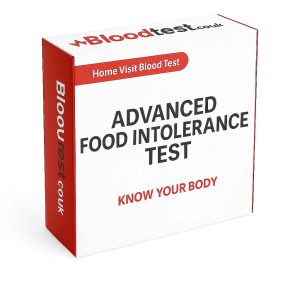
Discover Top Food Intolerance Testing Services in Reading
Which Food Intolerance Testing Methods Should You Choose?
Private Food Intolerance Test in Reading: Residents of the dynamic town of Reading can access an extensive range of food intolerance tests aimed at identifying individual dietary triggers. The most common methods employed include blood tests and elimination diets, each tailored to accommodate varying needs and preferences. Blood tests function by examining specific antibodies associated with food intolerances, delivering a swift overview of potential sensitivities which can be crucial for timely dietary adjustments.


In contrast, elimination diets involve the careful removal of specific foods from your diet, followed by a gradual reintroduction phase aimed at observing any adverse reactions, which can significantly aid in identifying intolerances.
- Blood Tests: These tests employ a blood sample to detect specific food antibodies, particularly IgG, which signify potential intolerances and help in making informed dietary choices.
- Skin Prick Tests: Mainly used for allergies, these tests can sometimes shed light on food sensitivities.
- Elimination Diets: This method necessitates temporarily excluding suspected foods, followed by gradual reintroduction to pinpoint triggers effectively.
- Breath Tests: These tests measure hydrogen levels in the breath after consuming specific carbohydrates, aiding in diagnosing intolerances such as lactose or fructose.
- Food Challenge Tests: Conducted under medical supervision, these tests involve consuming suspected foods while monitoring and recording reactions.
- Home Test Kits: Various kits available online may not provide the reliability of professionally administered tests, so caution is advised.
- Comprehensive Stool Analysis: This test evaluates gut health indirectly by detecting food-related issues through indicators of digestive function.
- Genetic Testing: Although not widely adopted, some clinics offer DNA analysis to predict potential food sensitivities based on genetic markers.
Each testing method boasts its unique processes and implications, highlighting the importance for individuals in Reading to assess their specific symptoms and consult healthcare professionals to determine the most suitable testing approach tailored to their needs.
What Symptoms Could Indicate Food Intolerance in the UK?
Residents of Reading may encounter a variety of symptoms that suggest a potential food intolerance, which often correlates with common dietary practices in the UK. Symptoms such as bloating, gas, abdominal pain, and headaches are frequently reported among those grappling with intolerances. For example, bloating can occur after consuming dairy products like cheese or milk, staples in many traditional British dishes such as shepherd's pie or a classic British cheese platter.
Other indicators include skin rashes and fatigue, often overlooked amidst the busyness of daily life. Given the widespread consumption of <a href="https://limitsofstrategy.com/foods-for-vitality-boost-your-daily-wellness/">processed foods</a> in the UK, many individuals develop intolerances to additives and preservatives found within these products. Furthermore, headaches can originate from consuming certain food triggers, especially gluten-rich items like bread or pastries, which are prevalent in British cuisine.
Identifying these symptoms, along with their connection to local eating habits, empowers individuals to approach their diets with heightened awareness. Early recognition of these signs can lead to prompt testing and subsequently result in significant improvements in overall health and wellbeing.
How Can You Prepare for Your Food Intolerance Test in Reading?
Proper preparation for a food intolerance test in Reading is crucial for ensuring the accuracy and reliability of the results. It is highly recommended to consult local health guidelines to ensure full preparedness. Initially, you should refrain from consuming any suspected allergens or trigger foods for at least 4-6 weeks leading up to your testing date. This includes avoiding common culprits like dairy, gluten, and certain fruits and vegetables, as their presence can significantly impact the validity of test results.
Maintaining a food diary can also be immensely beneficial during this preparation period. Documenting daily meals alongside any symptoms encountered provides invaluable insights and aids in the testing process. Staying adequately hydrated is essential; ensure you consume plenty of water to support optimal bodily functions throughout the testing phase.
For those undergoing a blood test, it is typically advisable to fast for at least 8-12 hours prior to the appointment. Fasting allows your body to reach a baseline state, contributing to clearer results. Additionally, it is critical to inform your healthcare provider of any medications or supplements you are taking, as certain substances may interfere with the test outcomes.
In conclusion, thorough preparation is vital for obtaining accurate testing results and effectively managing any identified food intolerances.
What Steps Are Involved in Conducting Food Intolerance Testing?
Uncovering the Comprehensive Food Testing Process
The food intolerance testing procedure in Reading follows a meticulous approach aimed at producing reliable results. Initially, individuals book an appointment at a local clinic, where a healthcare professional evaluates their medical history and current symptoms. This critical step ensures that the selected test aligns closely with your specific health needs and concerns.
Once the appropriate test is identified, the next phase involves collecting samples. For blood tests, a small sample is drawn from a vein, typically in the arm. This sample is subsequently sent to a laboratory for analysis, where it is scrutinised for antibodies related to food intolerances. Conversely, the elimination diet entails a structured process during which suspected foods are excluded from the diet, followed by reintroduction while carefully monitoring for any symptoms that arise.
The analysis stage is vital, as UK laboratories employ advanced techniques to guarantee the accurate identification of food intolerances. Once testing is concluded, results are generally available within a few days to a week. A follow-up consultation is scheduled, during which healthcare professionals thoroughly elucidate the findings and recommend any necessary dietary adjustments based on the results.
In summary, the food intolerance testing process is meticulously structured, integrating clinical insights with advanced laboratory techniques to provide residents of Reading with the clarity they need to effectively manage their health.
Is Food Intolerance Testing Suitable for All Age Groups?
Food intolerance tests are generally safe for individuals of all ages, including both children and adults, in Reading. However, specific considerations must be taken into account when it comes to children. The choice of testing often depends on the child's age, symptoms, and overall health condition. Blood tests can be performed safely on children, offering valuable insights into potential intolerances without necessitating invasive procedures. Parents should collaborate closely with healthcare professionals to ensure that testing is appropriate for their child's individual circumstances. For adults, food intolerance tests are also safe, provided they are conducted in a regulated clinical environment that prioritises patient safety.
Moreover, local healthcare providers in Reading frequently recommend testing for individuals experiencing chronic symptoms, which can significantly enhance their quality of life. The approach adopted in the UK prioritises safety, especially for vulnerable groups, ensuring that rigorous protocols are followed throughout the testing process.
Ultimately, whether for children or adults, food intolerance tests are designed to be safe and effective, providing essential information that can lead to improved dietary choices and better health outcomes.
How to Interpret Common Test Results and Their Implications?
Interpreting the results of food intolerance tests is a critical step in effectively managing health. In Reading, healthcare professionals provide comprehensive explanations of test outcomes, ensuring that patients fully understand their implications. Results typically categorise foods into various levels of intolerance, ranging from low to high sensitivity, helping individuals discern which foods should be avoided.
For instance, a high-level intolerance may indicate a significant reaction to a particular food, necessitating complete avoidance. Conversely, a low-level intolerance may suggest that the food can be consumed in moderation. Understanding these nuances empowers residents of Reading to make informed dietary choices, allowing them to tailor their meals to enhance overall wellbeing.
Healthcare practitioners often recommend maintaining a food diary post-testing to track any symptoms related to dietary changes. This ongoing evaluation helps establish a clearer connection between food intake and health, facilitating more effective management of intolerances.
Professional guidance is invaluable during this interpretation phase, as it helps individuals navigate their results and implement necessary lifestyle changes effectively. By promoting clear communication regarding test results, healthcare providers in Reading empower patients to take charge of their health and wellbeing.
Expert Insights on Food Intolerance Testing in Reading
Real-Life Success Stories from UK Clinics
Insights from clinics in Reading showcase numerous success stories stemming from food intolerance testing. One notable case involved a patient plagued by chronic digestive issues who discovered gluten as a primary trigger. Following a blood test that revealed significant levels of IgG antibodies, the individual eliminated gluten from their diet and reported substantial improvements in symptoms within weeks.
Another compelling story featured a young child suffering from recurring skin rashes. After undergoing a supervised elimination diet with the guidance of a local nutritionist, dairy was identified as the main culprit. With careful dietary adjustments, the child's symptoms resolved, illustrating the tangible effectiveness of intolerance testing in real-world scenarios.
These real-life examples underscore the importance of food intolerance tests, not only in diagnosing conditions but also in enhancing the quality of life for individuals in Reading. The insights gained through these tests empower patients to make informed dietary choices, leading to improved health outcomes.
Clinics in Reading often share these success stories during patient consultations, reinforcing the value and effectiveness of food intolerance testing as a practical solution for addressing health concerns. Such narratives serve not only to educate but also to instil hope for those grappling with unexplained symptoms.
Essential Steps for Effectively Managing Food Intolerances
Post-testing management of food intolerances is critical for maintaining health in Reading. After thoroughly analysing test results, individuals are encouraged to consult local specialists who can provide tailored dietary plans. These professionals assist patients in navigating the complexities of dietary changes while ensuring that nutritional adequacy is maintained.
One practical step involves creating a balanced meal plan that excludes identified intolerances while incorporating alternative foods. For those avoiding dairy, exploring plant-based substitutes like almond or oat milk can help meet calcium needs while maintaining dietary balance.
Additionally, regular consultations with healthcare providers can enhance management strategies. As dietary requirements may evolve, ongoing support enables necessary adjustments, ensuring individuals remain attuned to their bodies and any changes in symptoms.
Furthermore, joining local support groups or online forums can foster a sense of community, providing additional motivation and shared experiences. These networks can prove instrumental in exchanging recipes, tips, and emotional support, making the journey of managing food intolerances more accessible and less daunting.
By taking proactive measures and utilising available resources, residents of Reading can effectively manage their food intolerances, ultimately leading to improved overall wellbeing.
Innovative Advances in Food Intolerance Testing
The realm of food intolerance testing is continuously evolving, with recent innovations enhancing the services available in Reading. Clinics in the UK have started to adopt more sophisticated testing methods, such as comprehensive stool analysis, which provides insights into gut health and its connection to food sensitivities. This methodology evaluates not only food intolerances but also the overall microbiome, offering a more holistic view of digestive health.
Additionally, advancements in genetic testing are becoming more prevalent, allowing professionals to analyse genetic markers that predict potential food sensitivities. Although still in the early stages of adoption, these tests present exciting opportunities for personalised dietary recommendations based on one's genetic profile.
Clinics are also leveraging advanced laboratory techniques, such as multiplex testing, which simultaneously evaluates multiple food sensitivities. This efficiency reduces the time needed to obtain results and streamlines the process for patients seeking clarity on their dietary triggers.
Moreover, recent research underscores the necessity for a collaborative approach that integrates insights from dietetics, nutrition, and healthcare providers to create comprehensive management plans. This trend illustrates a shift towards holistic care, ensuring that individuals in Reading receive well-rounded support in navigating their food intolerances.
As these advancements continue to unfold, individuals can look forward to greater accuracy and reliability in food intolerance testing, ultimately leading to improved health outcomes within the community.
Expert Perspectives on the Reliability of Food Intolerance Tests
The reliability of food intolerance tests is a subject of considerable discussion among specialists in Reading. Experts frequently emphasise the importance of considering factors such as sensitivity and specificity when interpreting results. Sensitivity refers to the test’s ability to accurately identify individuals with intolerances, while specificity evaluates its effectiveness in identifying those without intolerances.
Professionals caution that no test is infallible, stressing the need to view testing as one aspect of a broader diagnostic process. Environmental factors, dietary habits, and even stress levels can all influence test outcomes. For instance, an individual might receive a false negative if they consume a large amount of a trigger food shortly before testing.
Moreover, the interpretation of results should be conducted by qualified professionals who can contextualise findings within the individual’s overall health narrative. This expert guidance is crucial to ensuring that patients comprehend their results and can make informed decisions regarding their diets.
Ultimately, the consensus among UK specialists is that while food intolerance tests can yield valuable insights, they should always be supplemented by a thorough clinical assessment and ongoing monitoring of symptoms. This comprehensive approach enhances the reliability of diagnoses and supports effective management strategies tailored to individual needs.
Addressing Common Myths Surrounding Food Intolerance
Several misconceptions surround food intolerance testing, leading to confusion and misinformation among individuals in Reading. One widespread myth is that food intolerance tests can replace allergy tests. Unlike allergies, which can provoke severe immune-mediated reactions, food intolerances mainly involve digestive issues and usually do not trigger immediate or life-threatening responses.
Additionally, there's a belief that all food intolerance tests are highly accurate. However, experts urge caution, as variations in testing methods can result in different outcomes. Individuals must understand that results should be interpreted within the context of a comprehensive clinical evaluation.
Another misconception is that food intolerances are lifelong conditions. In reality, individuals may develop or outgrow intolerances due to various factors, including changes in gut health or lifestyle modifications. Engaging with healthcare professionals can clarify how to manage and adapt to these changes over time.
Educating oneself about these myths is crucial for making informed decisions regarding food intolerance testing. By relying on evidence-based information and expert advice, individuals can navigate their food intolerances confidently, leading to healthier dietary choices and an enhanced quality of life.
What Advantages Can Food Intolerance Testing Offer?
Enhancing Daily Life Across the UK
Food intolerance testing in Reading presents numerous benefits that significantly enhance daily life for residents. One major advantage is the alleviation of uncomfortable symptoms. By identifying specific triggers, individuals can modify their diets to eliminate foods that cause bloating, digestive discomfort, or fatigue, resulting in increased energy levels and overall wellness.
Moreover, gaining insight into food intolerances fosters a deeper connection with one’s body. Many people report feeling empowered as they learn to navigate their dietary choices with assurance. This newfound awareness can transform meal planning and social dining experiences into enjoyable occasions rather than sources of anxiety.
Additionally, food intolerance testing can also contribute to improved mental health. Many individuals experience frustration and emotional distress when dealing with unexplained health issues. By identifying and addressing food-related triggers, people can reduce stress and cultivate a more positive outlook on life.
On a broader scale, the benefits of food intolerance testing extend beyond individual experiences. As more residents in Reading become aware of their dietary needs, local restaurants and food suppliers may adjust their offerings, creating a more inclusive dining environment for those with food sensitivities and ultimately enhancing community well-being.
Long-Term Health Advantages of Food Intolerance Testing
The long-term health benefits associated with food intolerance testing in Reading are substantial and can lead to sustained enhancements in overall wellbeing. By identifying food intolerances, individuals can make informed dietary choices that not only alleviate immediate symptoms but also prevent chronic health issues.
Research suggests that untreated food intolerances can contribute to various long-term health complications, including inflammatory conditions, gut dysbiosis, and even mood disorders. Addressing intolerances early through testing allows individuals to mitigate these risks, promoting better long-term health outcomes.
Furthermore, adopting a personalised diet fosters a balanced nutritional profile. By eliminating harmful foods and incorporating alternatives, individuals can enhance their nutrient intake, supporting immune function and overall health. Many report improved digestion, increased energy levels, and a better quality of life due to these dietary adjustments.
Additionally, understanding food intolerances empowers individuals to take proactive control of their health. This proactive mindset promotes a lifestyle centred around prevention, encouraging regular health check-ups and a heightened awareness of how dietary choices impact health.
Ultimately, the long-term benefits of food intolerance testing extend well beyond mere symptom relief, encompassing comprehensive health advantages that contribute to a higher quality of life.
Financial Considerations for Residents of Reading
Understanding the financial aspects of food intolerance testing in Reading is essential for residents contemplating this diagnostic option. The costs associated with testing can vary significantly based on the type of test selected and the clinic providing the service. For instance, blood tests may range from £150 to £300, while consultations for elimination diets could incur additional fees for ongoing professional guidance.
While many individuals may hesitate due to perceived costs, it is crucial to consider the long-term savings associated with improved health. By identifying food intolerances and making necessary dietary changes, individuals may reduce healthcare expenses related to chronic conditions and frequent visits to general practitioners.
Moreover, some health insurance providers in the UK might cover a portion of the costs associated with food intolerance testing, especially if referred by a healthcare professional. Therefore, it is wise for individuals to review their insurance policies or consult with their providers to explore available coverage options.
Local clinics in Reading often provide payment plans or packages, making testing more accessible for residents. Additionally, investing in food intolerance testing can yield significant health improvements and enhance quality of life, making it a valuable consideration for those experiencing unexplained symptoms.
Research-Backed Benefits of Food Intolerance Testing in Reading
Insights from UK Studies
Research conducted within the UK has underscored the effectiveness of food intolerance testing, particularly in identifying triggers that significantly impact individuals’ health and wellbeing. Various studies indicate that those who undergo food intolerance tests often experience notable reductions in symptoms related to digestive discomfort, skin reactions, and fatigue.
For example, a study involving participants with chronic digestive issues revealed that over 70% reported improvements after identifying and eliminating trigger foods from their diets. Such findings highlight the practical benefits of food intolerance testing, showcasing its role in enhancing healthcare outcomes for patients in Reading.
To effectively apply these findings to daily life, individuals are encouraged to maintain a detailed food diary following testing to assess the correlation between food intake and symptom occurrences. Additionally, ongoing education about food intolerances through workshops or local health seminars can further empower residents to make informed dietary choices.
Ultimately, the research reinforces the significance of food intolerance testing as a transformative tool for individuals, enabling them to reclaim their health and enhance their quality of life.
Facilitating Dietary Adjustments Through Testing
Food intolerance testing plays a pivotal role in guiding individuals in Reading towards informed dietary modifications. Once intolerances are identified, individuals can customise their diets to avoid specific triggers, resulting in improved digestive health and overall wellbeing. Many residents report that eliminating gluten or lactose has led to substantial improvements in their energy levels and digestive comfort.
Moreover, food intolerance testing encourages the exploration of alternative foods to replace those that trigger intolerances. This dietary shift not only stimulates creativity in meal preparation but also introduces a diverse array of nutrients, enriching overall dietary patterns. For instance, individuals avoiding dairy may discover delicious options like coconut yoghurt or nut-based cheeses, broadening their culinary experiences.
Additionally, professionals in Reading often provide tailored meal plans and recipes, assisting individuals in confidently navigating their new dietary landscapes. This customised support ensures that dietary changes are both sustainable and enjoyable, making it easier for individuals to adhere to their new routines.
In essence, food intolerance testing empowers individuals to embrace positive dietary changes, fostering a deeper understanding of nutrition and its impact on health. By facilitating informed choices, testing lays the groundwork for improved wellbeing and an enhanced quality of life.
Key Outcomes from Food Intolerance Testing: A Summary
Food intolerance tests in Reading yield several key outcomes that significantly enhance individuals’ health and wellbeing. Some of the primary benefits include:
- Symptom Relief: A marked reduction in digestive discomfort, bloating, and fatigue following dietary adjustments.
- Informed Choices: Empowerment through knowledge of specific food intolerances leading to improved decision-making around diet.
- Nutritional Diversity: Encouragement to explore alternative foods that enhance nutrient intake and culinary variety.
- Improved Energy Levels: Many report increased vitality and reduced lethargy after eliminating trigger foods.
- Enhanced Mental Wellbeing: Alleviation of frustration and anxiety associated with unexplained health issues.
- Better Gut Health: Positive changes in digestive function as harmful foods are identified and eliminated.
- Long-Term Health Benefits: Reduced risk of chronic conditions linked to untreated food intolerances.
- Community Awareness: Increased understanding and support for food intolerances within local dining establishments and social settings.
These outcomes reflect the transformative potential of food intolerance testing, enabling residents of Reading to enhance their health and quality of life through informed dietary choices.
What Can You Expect from a Food Intolerance Test in Reading?
Comprehensive Post-Test Support Options
Following food intolerance testing in Reading, individuals can access various post-test support options to facilitate effective management of identified intolerances. Clinics typically offer follow-up consultations, during which healthcare professionals discuss test results in detail and outline necessary dietary changes and recommendations tailored to individual needs.
Additionally, many healthcare providers in Reading emphasise the importance of ongoing support through nutrition workshops and support groups. These resources provide a platform for individuals to share experiences, seek advice, and gain insights into managing food intolerances within a community context.
Moreover, digital resources, such as apps designed to track food intake and symptoms, can be invaluable. These tools empower individuals to monitor their progress, making it easier to identify patterns and adjust their diets accordingly.
Overall, the post-test support available enhances the effectiveness of food intolerance management, ensuring individuals in Reading have access to the resources they need to thrive.
Typical Duration for Food Testing Procedures
The duration of food intolerance testing in Reading can vary based on the type of test and the protocols of the clinic. For blood tests, individuals can generally expect the appointment to last around 30-60 minutes. After sample collection, results are usually available within a few days to a week, depending on the laboratory’s processing times.
In the case of elimination diets, the timeline may be more extensive. Individuals often need to adhere to strict dietary exclusions for 4-6 weeks before reintroducing potential triggers. This observational phase is crucial for accurately identifying intolerances and may take several months to fully appreciate the benefits of dietary changes.
Overall, individuals seeking clarity on their food intolerances should be prepared for a process that may take varying lengths of time, depending on the chosen methods and their personal health trajectory.
How to Find a Trustworthy Testing Provider
Selecting a reputable provider for food intolerance testing in Reading is vital for ensuring accurate results and effective management. When choosing a clinic, individuals should consider various factors aligned with UK accreditation standards. First and foremost, seek clinics that are certified and comply with established healthcare regulations to guarantee a high standard of care.
Patient reviews and testimonials can also offer valuable insights into others’ experiences. Online platforms often feature feedback, allowing potential patients to assess the quality of services provided. Additionally, seeking recommendations from healthcare professionals or local support groups can lead to reliable referrals for testing providers.
Furthermore, inquire about the qualifications and expertise of the practitioners conducting the tests. Knowledgeable professionals should be capable of providing clear explanations of testing methods, interpretations of results, and follow-up support to ensure comprehensive care.
By thoroughly researching and selecting a reputable provider, individuals in Reading can approach food intolerance testing with confidence, ultimately leading to better health outcomes.
Common Symptoms Addressed by Food Intolerance Testing
Food intolerance tests in Reading are specifically designed to help identify a variety of common symptoms experienced by individuals. Symptoms such as digestive discomfort, bloating, and abdominal pain frequently prompt individuals to seek testing. These issues may arise after consuming common trigger foods present in the UK diet, such as dairy or wheat products.
Additionally, headaches and migraines can sometimes be linked to food intolerances, encouraging individuals to explore dietary triggers in more depth. Skin reactions, including rashes and eczema, may also correlate with food sensitivities, making it crucial for individuals experiencing these symptoms to consider food sensitivity testing as a viable option.
UK health guidelines suggest that persistent symptoms should not be ignored, as they may signify underlying intolerances that could benefit from diagnosis and management. Food intolerance tests provide a vital tool for individuals to identify these trigger foods, facilitating effective symptom management and improved quality of life.
Clarifying Misconceptions about Food Intolerance Tests in Reading
Understanding the Key Differences Between Food Intolerances and Allergies
Gaining clarity on the distinctions between food intolerances and allergies is essential for individuals in Reading. Food allergies involve an immediate immune response, often resulting in severe reactions, while food intolerances typically manifest as digestive issues that develop gradually over time. Food intolerance tests, therefore, should not be seen as substitutes for allergy tests, as they evaluate different aspects of the body’s response to food.
For instance, someone with a dairy allergy might experience life-threatening symptoms after consuming milk, necessitating immediate medical attention. In contrast, an individual with lactose intolerance could face discomfort such as bloating or gas after ingesting dairy, which, although distressing, is not life-threatening.
Clearly communicating these distinctions is vital for raising awareness about food intolerances. By doing so, individuals can better understand their symptoms and seek appropriate testing and management strategies tailored to their needs.
Myths Regarding the Accuracy of Food Intolerance Testing
A common misconception surrounding food intolerance tests is that they are always highly accurate. While many tests available in Reading offer valuable insights, it is essential to acknowledge that variability exists and is influenced by multiple factors. For instance, the timing of food consumption prior to testing can affect results, as can the individual’s current health status and environmental conditions.
Moreover, not all food intolerance tests employ the same methodology, which can lead to discrepancies in findings. Consequently, individuals should understand that results must be interpreted with caution and in consultation with qualified professionals who can provide context and guidance tailored to their circumstances.
By addressing these myths, individuals can approach food intolerance testing with a balanced perspective and seek the most appropriate solutions for their unique situations.
The Role of Diet in Food Intolerance Testing
The role of diet in food intolerance testing is critical, as dietary choices can greatly influence test results. For example, consuming large quantities of a suspected trigger food immediately before testing may yield misleading outcomes. Therefore, individuals are often advised to avoid known intolerances for a specified period before undergoing tests to ensure maximum accuracy.
Several factors can affect the reliability of test results, including:
- Timing of Food Consumption: Eating trigger foods shortly before testing can skew results and provide inaccurate readings.
- Overall Diet Quality: A balanced diet leading up to testing may yield clearer insights into intolerances.
- Hydration Levels: Adequate water intake before testing supports normal bodily functions and enhances the clarity of results.
- Medications and Supplements: Certain substances may interfere with test results, so it is vital to inform healthcare providers about all medications being taken.
By understanding and managing these factors, individuals in Reading can enhance the reliability of their food intolerance testing, leading to more accurate diagnoses and effective dietary management.
Frequently Asked Questions About Food Intolerance Testing
What is a food intolerance test?
A food intolerance test is designed to identify specific foods that may trigger adverse reactions in your body, typically measured through blood tests or elimination diets.
How long does it take to receive results from a food intolerance test?
Results from blood tests are generally available within a few days to a week, while elimination diets may require several weeks to show a change.
Are food intolerance tests safe for children?
Yes, food intolerance tests are safe for children, but it is essential to consult healthcare professionals to choose suitable testing methods tailored to their needs.
Can food intolerance tests replace allergy tests?
No, food intolerance tests differ from allergy tests, as they assess digestive issues rather than immediate immune responses and reactions.
What are common symptoms of food intolerance?
Common symptoms include bloating, gas, abdominal pain, headaches, and skin reactions, often linked to specific foods.
How can I prepare for a food intolerance test?
Preparation typically involves avoiding suspected trigger foods for several weeks and maintaining a food diary to track symptoms and dietary intake.
Are home testing kits reliable?
Home testing kits can vary in reliability; it is advisable to consult healthcare professionals for accurate testing and interpretation of results.
What dietary changes may occur after testing?
Individuals may need to eliminate specific foods from their diets, explore alternatives, and adopt more balanced eating patterns based on test outcomes.
How much does a food intolerance test cost in Reading?
Costs can vary, typically ranging from £150 to £300, depending on the type of test and the services provided by the clinic.
Where can I find reputable testing providers in Reading?
Look for accredited clinics with positive reviews, recommendations from healthcare professionals, and qualified practitioners to ensure reliable food intolerance testing.