Decoding the Language of Dog Tail Wags for Enhanced Understanding
What Factors Influence the Mechanism Behind Tail Wagging in Dogs?

The behaviour of tail wagging in dogs represents a complex and expressive form of communication, enabling dogs to articulate their emotions with clarity. This fascinating process consists of a series of coordinated muscle contractions and neurological signals that effectively convey their feelings. When dogs experience joy or excitement, particular muscles at the base of the tail contract, resulting in characteristic side-to-side or up-and-down movements. This behaviour is purposeful and mirrors genuine emotions, such as the exuberance a dog shows upon reuniting with its owner, highlighting a profound sense of happiness and emotional connection.
Moreover, the positioning of a dog's tail plays a pivotal role in their emotional communication. A tail that is held high and wags rapidly typically signifies joy, while a low or rigid tail may indicate stress or fear. Pet owners can observe these tail movements in various situations, whether at a bustling dog park or during family outings. During these moments, a dog's tail serves as a vital indicator of their emotional state, enabling owners to gain a deeper understanding of their pets' feelings and respond accordingly.
What Factors Contribute to Increased Tail Wagging in Dogs?
A multitude of elements can significantly influence a dog's tail-wagging behaviour, including environmental stimuli, social interactions, and the unique personality traits of individual dogs. For instance, engaging in a game of fetch at the park often elicits enthusiastic tail wagging, as the dog delights in an activity that they find enjoyable. Observing these joyful tail movements during everyday interactions can profoundly strengthen the bond between dogs and their owners, reinforcing mutual affection and understanding.
To encourage tail wagging, it is essential to involve your dog in activities that they love. This can encompass regular walks, interactive play sessions, or training exercises that utilise positive reinforcement. By closely monitoring your dog during these enjoyable moments and noting when their tail wags more energetically, you can gain insights into the specific activities that heighten their happiness. Additionally, cultivating a stimulating environment filled with toys and opportunities for social interaction can result in more frequent tail wagging, reflecting a happy and well-adjusted canine companion.
How Does Tail Wagging Influence a Dog's Daily Experiences?
Tail wagging is a crucial aspect of a dog's daily routine and reflects their overall well-being. Whether during a leisurely stroll around the neighbourhood or an exuberant game of tug-of-war, a wagging tail typically signifies positive emotions. For example, while exploring new sights, sounds, or scents on a hike, a dog may wag its tail excitedly, demonstrating curiosity and enthusiasm for their environment.
It is vital for pet owners to recognise that tail movements can vary in both intensity and frequency based on the context in which they occur. A gentle wag may signify contentment while relaxing on the couch, whereas a rapid wag held upright could indicate excitement when greeting a new friend. By understanding these subtle variations, owners can better assess their dog's mood and respond appropriately, which fosters a deeper bond and enhances the dog’s overall happiness.
What Information Can Tail Wagging Provide About a Dog's Happiness?

How to Interpret Happiness Through Tail Speed and Position
The speed and positioning of a dog's tail are critical indicators of their emotional state, particularly regarding happiness. Generally, a tail that wags quickly and is held high indicates excitement and joy. In contrast, a slow wagging tail may suggest uncertainty or hesitation. Dog owners can utilise these visual cues to discern their pets' feelings, especially during social interactions. For instance, when a dog meets another dog or person, a high, fast wag typically signifies friendliness and a welcoming attitude.
To help in recognising these joyful signs, consider the following essential indicators:
- A high tail position with rapid wags signifies excitement and joy.
- A middle-level tail position with moderate wags indicates contentment.
- A low tail position with slow wags may suggest submission or uncertainty.
- A wagging tail paired with a relaxed body posture signals a happy dog.
By being attentive to these cues, owners can effectively interpret their dog's emotions, thereby creating a nurturing atmosphere for engagement. This heightened awareness not only enriches the pet-owner relationship but also fosters a supportive environment for the dog.
How Do Different Tail Wagging Patterns Convey Emotional Signals?
The rhythm and pattern of a dog's tail wagging can convey nuanced emotional cues. Various styles of wagging can suggest differing levels of happiness, excitement, or even anxiety. For instance, a broad, sweeping wag typically expresses enthusiasm and joy, usually observed when a dog is about to engage in play or greet a beloved person. Conversely, a rapid, stiff wag may indicate agitation or an invitation to play that has been misunderstood.
Understanding these emotional cues can enhance interactions and deepen the overall relationship between dogs and their owners. Recognising that a gentle, slow wag can signify contentment allows owners to foster a more relaxed atmosphere during calm moments. Meanwhile, noticing a fast, vigorous wag can indicate a desire for play and interaction. This nuanced comprehension enables owners to respond appropriately, fostering an environment that nurtures happiness and reduces stress.
Why Do Tail Wagging Behaviours Differ Among Individual Dogs?
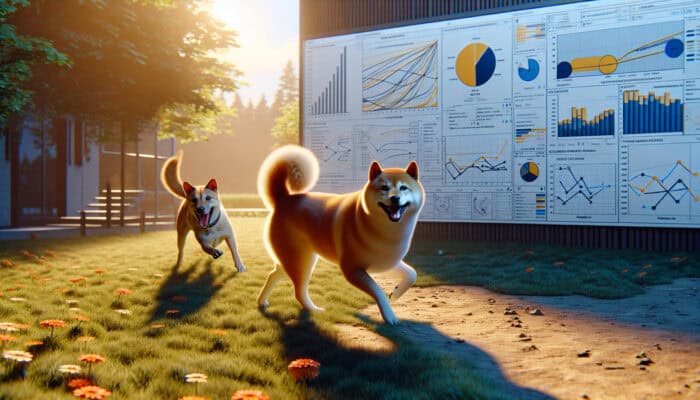
Tail wagging is not a uniform behaviour; it varies significantly between individual dogs. Factors such as personality traits, breed characteristics, and past experiences all contribute to how a dog expresses happiness through its tail. For example, a sociable Labrador Retriever may exhibit a broad, sweeping wag, while a more reserved breed like the Shiba Inu might show a subtler wag that still conveys happiness.
Understanding these individual differences is crucial for pet owners. Context plays a significant role; dogs may demonstrate distinct wagging styles based on their environment or social interactions. A dog that wags enthusiastically around familiar faces may display a more subdued wag when meeting newcomers or in unfamiliar surroundings. By observing their dog's unique tail wagging patterns over time, owners can adjust their interactions to better suit their pet's personality and emotional needs.
Professional Insights on Tail Wagging as a Happiness Indicator in Dogs
What Definitions Do Experts Offer for Tail Wagging Indicators?
Canine behaviour specialists assert that tail wagging serves as a crucial indicator of a dog’s emotional state. Rapid tail wags typically denote joy and excitement, whereas slow or stiff wags may indicate anxiety or aggression. Understanding these indicators empowers pet owners to accurately interpret their dogs’ feelings and respond appropriately.
To improve interactions based on tail wagging, owners can adopt several practical strategies. Begin by observing your dog’s tail movements in various contexts to identify patterns associated with specific emotions. For instance, note how your dog wags its tail when encountering other dogs as opposed to calm moments at home. This awareness aids owners in responding appropriately, enhancing their dog’s emotional well-being. Additionally, consulting with dog behaviour specialists can provide deeper insights into interpreting these signals, enabling owners to foster a positive atmosphere for their pets.
What Nuances Should Be Considered in the Analysis of Wagging Behaviour?
Tail wagging involves various components beyond speed and position; the angle of the tail also carries significant meaning. Experts suggest that a tail held high and wagging rapidly conveys joy and enthusiasm, while a tail held low and wagging slowly may indicate submission or fear. Understanding these nuances is essential for accurately interpreting canine emotions.
For example, a dog with a tail held high and wagging energetically while meeting new friends in a park is likely feeling excited and eager to engage. Conversely, a dog with a drooping tail that wags only slightly may be anxious or overwhelmed, signalling the need for reassurance or personal space. By closely observing these behaviours, owners can gain insights into their pet's emotional landscape and respond in ways that promote comfort and happiness.
How Can Expert Advice Be Incorporated into Daily Pet Care Routines?
Integrating expert insights into daily pet care can significantly enhance a dog’s emotional health. Professionals recommend monitoring tail movements as a vital indicator of happiness and emotional state. By combining this observation with other body language cues, such as ear position and overall posture, owners can develop a comprehensive understanding of their dog’s feelings.
To implement these strategies successfully, create an environment that encourages positive tail wagging through consistent exercise, socialisation, and engaging activities. Regular playdates with other dogs or structured training sessions can strengthen the bond between owner and pet while enhancing emotional health. Importantly, learning to interpret a dog’s entire body language, beyond just tail movements, leads to more compassionate and informed interactions, promoting happier, healthier relationships.
What Myths About Tail Wagging Should Be Clarified?
While tail wagging is often associated with happiness, it is crucial to acknowledge that this behaviour can signal a range of emotions beyond mere joy. Experts emphasise that tail wags can also indicate fear, aggression, or submission. For instance, a dog that wags its tail while exhibiting a stiff body and raised hackles may feel threatened and prepare to react defensively.
Identifying these nuances is essential for ensuring safe and positive interactions with dogs. Owners should educate themselves about the various contexts in which tail wagging occurs, learning to differentiate between happy wags and those that may indicate distress. This understanding can help prevent misinterpretations and ensure that all interactions with dogs are safe and enjoyable.
What Other Signs Accompany Tail Wagging in Dogs?
What Additional Body Language Complements Joyful Wags?
Tail wagging is often accompanied by various body language cues that collectively convey happiness. Ears perked up, a relaxed posture, and playful movements frequently accompany cheerful tail wags. An alert dog with a wagging tail typically has ears forward and raised, indicating engagement and interest in its surroundings. These combinations assist owners in accurately recognising genuine happiness in their dogs.
To enhance the identification of happy wags, consider these common indicators:
- Ears perked forward indicate attention and excitement.
- Relaxed body posture suggests comfort and contentment.
- Playful bowing, with front legs extended and rear in the air, signals readiness to engage.
- A wagging tail, combined with a loose, wiggly body, conveys joy and enthusiasm.
Understanding these accompanying signs allows owners to interpret their dog’s emotional state more accurately, fostering better communication and deeper connections. Such awareness enhances enjoyment during playtime and daily interactions.
How Do Facial Expressions Reinforce Tail Wagging Signals?
A dog’s facial expressions can significantly enhance the understanding of tail wagging behaviours. Dogs often exhibit smiling faces, soft eyes, and relaxed mouths, all of which indicate a positive mood. When a dog wags its tail while displaying these facial expressions, it reinforces the sense of happiness and eagerness to engage.
Here are some facial signs that complement tail movements:
- Soft eyes with a gentle gaze indicate relaxation and contentment.
- A relaxed mouth with a slightly open jaw shows trust and happiness.
- A slightly hanging tongue can signal excitement and playfulness.
- Relaxed ears, not pinned back, suggest comfort and joy.
By recognising these expressions alongside tail wagging, owners can interpret their dog's feelings more accurately. This understanding can lead to more fulfilling interactions, enhancing the overall bond between pets and their owners.
What Physical Responses Accompany Excited Tail Wags?
Excited tail wags are often accompanied by physical responses that clearly indicate a dog's emotional state. Common behaviours include jumping, playful bows, or running in circles, all of which signal excitement and eagerness to engage. These joyful antics serve not only as expressions of happiness but also play a crucial role in social interactions among dogs and between dogs and their owners.
When a dog jumps or performs playful bows while wagging its tail, it underscores the dog’s desire for play and interaction. For instance, if you throw a ball and your dog responds with a wagging tail and playful hops, it clearly invites more fun. Such behaviours not only strengthen the bond between a dog and its owner but also create a joyful environment where the dog feels secure and cherished. By actively participating in these playful moments, owners can nurture even deeper connections with their pets.
Research-Backed Evidence Supporting Tail Wagging as a Sign of Happiness in Dogs
What Studies Validate Tail Wagging as an Indicator of Happiness?
Research in animal behaviour has established a strong correlation between tail wagging and positive emotions in dogs. Numerous studies demonstrate that dogs wag their tails more vigorously when they experience happiness, excitement, or engagement. This evidence supports the notion that tail wagging serves as a significant indicator of a dog’s emotional state.
To apply this knowledge effectively, dog owners can observe their pets in various situations. For example, noting differences in tail-wagging patterns when meeting familiar versus unfamiliar dogs can provide insights into their emotional responses. Engaging with your dog during joyful moments—such as playtime or your return home—can lead to more positive interactions, ultimately enhancing their emotional health. Understanding that tail wagging is a reliable sign of happiness empowers owners to create an environment that encourages joy and fulfilment for their pets.
What Advantages Are Gained from Recognising Wagging Patterns?
Recognising tail wagging patterns presents numerous advantages for enhancing a dog’s emotional health. By understanding when and how their dogs wag their tails, owners can accurately interpret their emotional states and respond accordingly. Joyful tail wags indicate a positive mindset, while more subdued or erratic wags might signal discomfort or anxiety.
Real-world examples illustrate the practical applications of this knowledge. For instance, if an owner observes that their dog wags its tail vigorously during play but wags more slowly when interacting with strangers, they can take proactive steps to ensure their dog feels secure and confident. This awareness improves emotional well-being, allowing owners to adapt their interactions to create a more supportive environment. By recognising and responding to wagging patterns, owners foster a deeper understanding of their canine companions.
What Long-Term Benefits Can Be Derived from Observing Wagging?
Monitoring a dog’s tail wagging over time can yield significant long-term advantages for their emotional and physical health. Regular observations help owners identify changes in their dogs’ emotional states, allowing for timely interventions when necessary. For example, if a typically cheerful dog shows less enthusiasm during play, it may indicate underlying issues that require attention.
Expert analysis highlights the importance of using tail-wagging observations to enhance training and care. Consistently assessing changes in a dog’s tail wagging patterns can help owners refine their training techniques and improve overall communication. This ongoing awareness fosters a deeper connection between dogs and their owners, ultimately leading to happier, healthier lives for both.
What Myths Surrounding Tail Wagging Interpretations Should Be Addressed?
Despite the common belief that all tail wags signify happiness, scientific research clarifies that this is not always the case. Factors such as the direction and speed of the wag can significantly influence the interpretation of a dog's emotional state. For instance, a dog wagging its tail to the right is often perceived as happy, while a tail wagging to the left may indicate anxiety or discomfort.
To assist owners in accurately reading their dogs’ emotions, it is essential to provide evidence-based guidelines. Understanding context—such as the dog’s overall body language and the environment—helps owners interpret wags more accurately. By recognising the complexity of tail wagging, owners can avoid common pitfalls and foster safer, more enjoyable interactions with their pets.
How Can Knowledge of Tail Wagging Enhance Dog Training Techniques?
Understanding tail wagging can significantly enhance training techniques, leading to better outcomes. Studies suggest that dogs respond more positively to training methods that consider their emotional states, such as recognising tail wags as indicators of happiness or eagerness to engage. For instance, a dog eager to participate in a training session will often wag its tail enthusiastically, signalling readiness to learn.
To effectively utilise this knowledge, trainers can incorporate positive reinforcement strategies aligned with dogs’ emotional cues. Acknowledging and rewarding tail wags during training can strengthen the bond between dog and owner, reduce stress, and foster a joyful learning environment. By cultivating an atmosphere that celebrates tail wagging, owners can create a positive training experience that enhances both the pet's skills and emotional well-being.
What Are the Exceptions to Tail Wagging as a Happiness Indicator?
Which Situations Suggest That Wagging Does Not Indicate Joy?
While tail wagging is frequently associated with happiness, certain circumstances may suggest it does not signify joy. Some dogs may wag their tails when they are stressed or anxious, demonstrating that tail movement alone is not a definitive indicator of happiness. For example, a dog that wags its tail in a tense situation—such as during a vet visit—might be feeling uncomfortable or threatened.
Understanding the context in which a dog wags its tail is crucial for accurate interpretation. For instance, a dog that approaches a new person with a wagging tail may also exhibit stiff body language, suggesting fear or uncertainty despite the wagging. Recognising these nuanced behaviours allows owners to respond appropriately, ensuring their dogs feel safe and secure in various environments.
Why Is Context Essential in Wagging Analysis?
Context plays a vital role in analysing tail wagging and understanding a dog’s emotional state. Environmental factors, such as unfamiliar settings or the presence of other animals, can alter the meaning of a wag. For instance, a dog that wags its tail while playing at home may demonstrate a different wagging pattern when faced with a crowd or unfamiliar dogs.
By paying attention to the environment and the overall body language accompanying the tail wag, owners can gain a clearer understanding of their dog’s feelings. If a dog wags its tail while also displaying pinned ears or a lowered posture, it may be feeling insecure. In contrast, a dog that wags its tail while maintaining a relaxed stance is likely feeling comfortable and happy. This awareness empowers owners to provide the appropriate support based on their dog’s emotional needs.
What Common Myths Exist About Non-Happy Wags?
Several myths exist surrounding tail wagging that can lead to misunderstandings regarding a dog’s emotional state. One prevalent belief is that all tail wags signify happiness, but this is not accurate. In fact, tail wags can indicate a range of emotions, including submission, aggression, or anxiety.
Awareness of scenarios where tail wags indicate other emotions is essential for safe interactions. Here are several situations to consider:
- A slow-twitch tail and a low posture can suggest submission.
- A stiff, fast wagging tail may indicate aggression or heightened excitement.
- A wagging tail combined with growling often signals discomfort or a warning.
- A wagging tail in a tense body posture may indicate fear or apprehension.
Recognising these nuances helps owners avoid misinterpretations and respond appropriately, ensuring safe and positive experiences with their pets.
Why Is It Important to Observe Your Dog's Tail Movements?
How Does Regular Observation Enhance Pet Relationships?
Regularly observing a dog’s tail wagging can significantly enhance the pet-owner relationship. Understanding tail movements fosters trust and joy, reinforcing the bond between the dog and its owner. By being attentive to how and when their dog wags its tail, owners become more attuned to their pet’s emotional state, facilitating more meaningful interactions.
For instance, when a dog wags its tail vigorously upon seeing its owner after a long absence, it signals a strong emotional connection and eagerness for interaction. Recognising this sign of joy allows owners to respond with affection, creating a positive feedback loop that enhances trust and strengthens their relationship. This ongoing observation cultivates an environment where the dog feels valued and understood, ultimately enriching the bond between them.
What Risks Are Associated with Ignoring Tail Signals?
Overlooking a dog’s tail signals can result in missed opportunities to understand their emotional state, potentially affecting their overall well-being. Ignoring wagging patterns may lead owners to overlook signs of happiness or distress, resulting in behavioural misunderstandings. For example, a dog exhibiting erratic tail wagging may be experiencing anxiety or discomfort, but if owners fail to recognise these signals, they may inadvertently exacerbate the situation.
Proactive engagement based on tail signals can prevent issues from escalating. Regularly observing tail-wagging patterns allows owners to identify changes in mood or behaviour, enabling timely interventions. By being attentive to these signals, owners can create a more responsive environment, ensuring their dog’s needs are met and enhancing their overall well-being.
What Are the Benefits of Tracking Wagging Over Time?
Tracking a dog’s tail wagging over time provides valuable insights into their emotional trends, aiding in personalised care. By regularly observing tail movements, owners can identify shifts in their dog’s emotional state, such as increased anxiety or excitement in response to specific stimuli. This knowledge enables owners to adjust their interactions and routines to better suit their dog’s needs.
For example, if a previously social dog begins to show less enthusiastic tail wagging during interactions, it may signal discomfort or anxiety that requires attention. By documenting these changes, owners can implement strategies to create a more supportive environment, enhancing their dog’s happiness and health. This ongoing observation fosters a deeper understanding of the dog’s emotional landscape, ultimately building a stronger bond based on awareness and empathy.
How Can Tail Observation Aid in Identifying Behavioural Changes?
Regular observation of tail wagging patterns can be instrumental in detecting behavioural changes in dogs. Noticing shifts in tail movements—such as increased stiffness or reduced enthusiasm—can signal evolving behaviours, possibly indicating stress, anxiety, or even emerging health issues. This practice enables owners to proactively adapt their interactions, preventing misunderstandings and strengthening the bond with their dog through attentive responses.
For instance, if a dog that typically wags its tail energetically begins to wag more slowly and less frequently, it may indicate discomfort or emotional distress. By being aware of these changes, owners can seek professional guidance or adjust their environment to ensure their dog feels secure and supported. Ultimately, attentive tail observation enhances the owner’s ability to respond appropriately to their dog’s needs, fostering a happier and healthier relationship.
What Are Effective Strategies to Respond to Tail Wags?
What Methods Can Be Used to Encourage Happy Tail Wags?
Encouraging happy tail wags in dogs is essential for promoting their overall well-being. Positive reinforcement proves to be an effective strategy for boosting joyful behaviours. Engaging in activities that dogs love, such as playing fetch or providing treats for good behaviour, can lead to enthusiastic tail wagging and heightened happiness.
To integrate these strategies into daily routines, consider the following tips:
- Incorporate playtime into your daily schedule to allow your dog to engage in their favourite activities.
- Utilise treats or praise to reinforce positive behaviours that elicit tail wagging.
- Facilitate regular socialisation opportunities with other dogs to encourage joyful interactions.
- Establish a routine that includes training sessions focused on positive reinforcement to enhance both learning and emotional well-being.
By actively promoting these joyful moments, owners can create an environment that fosters happiness and fulfilment, ultimately leading to a more contented pet.
How Should Uncertain Wagging Signs Be Addressed?
Uncertain wagging can indicate mixed emotions in dogs, and addressing these signals is essential to ensure their comfort. When a dog displays a slow or hesitant wag, owners must respond calmly and provide reassurance. This approach helps clarify emotions and allows dogs to feel secure during moments of uncertainty.
Effective methods for responding include:
- Maintain a calm demeanour to alleviate any anxiety the dog may be experiencing.
- Offer gentle words of encouragement or praise to reinforce positive feelings.
- Provide space and time for the dog to acclimate to new environments or situations.
- Engage in familiar activities that promote comfort, such as a favourite toy or game.
By implementing these strategies, owners can help clarify their dog’s emotions, ensuring they feel safe and supported during challenging moments. This, in turn, fosters a positive atmosphere that enhances the pet-owner relationship.
How Can Routines Be Developed Around Wagging Observations?
Establishing routines centred around wagging observations is an effective way to strengthen the bond between dogs and their owners. Daily activities that encourage tail wags can create a joyful atmosphere by focusing on simple, effective practices that enhance dogs' happiness.
Consider incorporating the following daily tips into your routine:
- Set aside time for interactive play, allowing your dog to express joy through tail wagging.
- Engage in short training sessions that incorporate positive reinforcement techniques.
- Utilise walks or outdoor activities as opportunities for observation and engagement to promote tail wagging.
- Encourage socialisation with other dogs or people to provide emotional stimulation and enhance joy.
These practices not only promote tail wagging but also foster a deeper connection between dogs and their owners. By prioritising joyful interactions, you create a nurturing environment that supports emotional well-being, leading to a happier, healthier pet.
Frequently Asked Questions About Tail Wagging
What Does a Wagging Tail Indicate?
A wagging tail generally signifies a dog's emotional state and is often associated with happiness, excitement, or engagement. Various wagging patterns can reveal different feelings, making tail movement a critical communication tool for dogs.
Can a Dog Wag Its Tail While Feeling Scared?
Yes, dogs can indeed wag their tails when they feel scared or anxious. A slow, low wagging tail may indicate submission or fear, emphasising the importance of context in interpreting a dog’s emotions.
How Can I Determine If My Dog Is Happy?
Signs of a happy dog include a wagging tail, relaxed posture, playful behaviour, and a soft expression. Observing these cues can help owners assess their dog's emotional well-being effectively.
Is a Fast Tail Wag Always a Positive Sign?
Not necessarily. While a fast wagging tail often indicates excitement or happiness, it can also signify agitation or stress. Understanding the overall body language is vital for accurate interpretation.
What Other Indicators Suggest a Dog Is Happy?
In addition to tail wagging, other signs of a happy dog include perked ears, a relaxed body posture, playful behaviour, and soft, inviting facial expressions.
How Can I Encourage My Dog to Wag Its Tail More Often?
Promote tail wagging by engaging your dog in activities they enjoy, offering positive reinforcement during play, and ensuring regular socialisation with other dogs and people.
Do All Dogs Wag Their Tails the Same Way?
No, tail wagging varies among individual dogs, influenced by breed traits, personality, and past experiences. Observing these unique patterns helps owners better understand their pets.
Can Tail Wagging Indicate Aggression?
Yes, tail wagging can indeed indicate aggression, especially if the tail is held high and stiff while wagging rapidly. Understanding the context and accompanying body language is crucial for accurate interpretation.
Why Is It Important to Observe My Dog’s Tail Movements?
Observing your dog’s tail is vital for understanding their emotional state. Regular monitoring can help identify changes in mood, behaviour, and well-being, fostering a stronger bond with your pet.
What Should I Do If My Dog’s Tail Behavior Changes?
If you notice changes in your dog’s tail behaviour, it’s crucial to assess the context and overall body language. If you observe signs of distress or discomfort, consult a veterinarian or a professional dog trainer for guidance.
Connect with us on Facebook!
The Article Wagging Tail Means Happiness in Dogs: Key Signs of Joy First Published On https://elgatoencasa.com
The Article Wagging Tail: Key Signs of Happiness in Dogs Was Found On https://limitsofstrategy.com