Essential Ingredients for Creating Authentic Sauerbraten
What Are the Key Ingredients Required for Genuine German Sauerbraten?
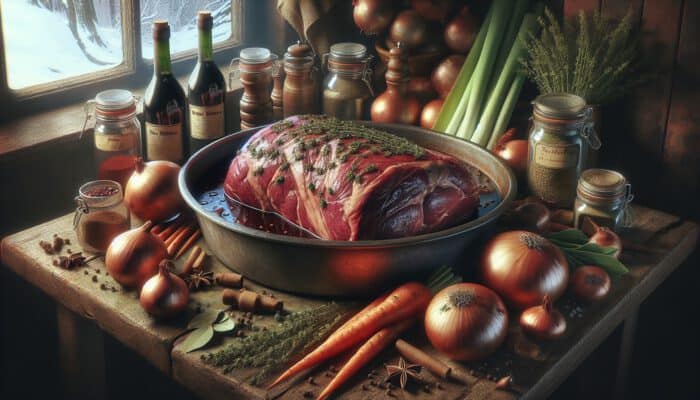
To effectively create a hearty German sauerbraten, it is vital to choose a selection of premium ingredients that contribute to the distinct, rich, and tangy flavour profile that defines this dish. The primary component is the meat, which is usually a cut of beef such as chuck roast, brisket, or round. These particular cuts are especially suitable due to their marbling and connective tissue, which tenderises during the cooking process, resulting in a wonderfully tender dish. Additionally, you will require a medley of aromatic vegetables like onions, carrots, and celery, which not only enhance the complexity of the dish but also harmonise beautifully with the meat's flavours. Moreover, a combination of spices such as black peppercorns, cloves, bay leaves, and thyme is essential for enriching the aromatic depth. The marinade serves as a crucial aspect, typically made from white vinegar or red wine to tenderise the meat while adding acidity.
Ensure you gather vital pantry staples including salt, sugar, and mustard, which can significantly elevate the overall flavour. Ingredients like ginger, juniper berries, and even a hint of chocolate or raisins can be incorporated for variations that respect traditional recipes while introducing a unique twist. Seek out local markets or specialised shops to obtain high-quality versions of these ingredients; for instance, sourcing local beef or organic produce can greatly enhance the quality of your dish.
Proven Strategies for Perfectly Preparing Sauerbraten
Successful preparation is crucial to ensure a delicious sauerbraten. Here are some essential tips that will streamline your cooking experience and enhance the outcome:
- Always opt for fresh, high-quality meat to ensure the best flavour.
- Prepare your marinade at least a day ahead to allow ample time for flavour infusion.
- Chop vegetables uniformly to guarantee even cooking.
- Measure spices precisely to maintain a balanced flavour profile.
- Use glass or ceramic containers for marinating to prevent any unwanted chemical reactions.
- Allow the meat to reach room temperature for 30 minutes before cooking to achieve consistent results.
- Marinate the meat for a minimum of 3 days, turning it regularly to ensure even flavour distribution.
- Designate a dedicated workspace to maintain an organised and efficient cooking area.
By adhering to these practical tips, you can streamline your cooking process, allowing the flavours to meld beautifully while preserving the integrity of each ingredient, leading to a truly remarkable sauerbraten.
Adaptable Ingredient Substitutions for Sauerbraten
Creating a hearty German sauerbraten allows for some flexibility, enabling various substitutions without detracting from the dish's beloved essence. If you prefer an alternative type of meat, consider using pork shoulder or lamb, which can provide a different yet equally satisfying flavour profile. For those with dietary restrictions, a plant-based substitute like seitan or jackfruit can be marinated and braised to replicate the texture of traditional meat.
You can also alter the acidic components; for a milder taste, select apple cider vinegar in place of the standard vinegar. If you're aiming to reduce sugar intake, consider using a natural sweetener such as honey or agave syrup. Feel free to modify the spice blend according to your personal preferences; for instance, you can omit cloves if they are too pungent for your taste or add a dash of smoked paprika for an intriguing twist.
Effective Storage Techniques for Your Sauerbraten Ingredients

Properly storing your sauerbraten ingredients is essential for maintaining their freshness and flavour. Fresh meat should be kept in the coldest section of your refrigerator, ideally between 0°C and 4°C, and should be consumed within 3-5 days for optimal quality. If you intend to store it for a longer duration, consider marinating it before freezing, which allows flavours to penetrate the meat while preserving its texture. Ensure that the meat is tightly wrapped in plastic wrap or placed in an airtight container to prevent freezer burn.
Store vegetables such as carrots, celery, and onions in your fridge’s crisper drawer, ideally wrapped in a damp paper towel to retain moisture. Spices should be stored in a cool, dark environment to prevent degradation; avoid placing them near heat sources like the stove. Using airtight containers for spices can help maintain their freshness and potency for a longer time. By following these storage recommendations, you can ensure that your ingredients remain vibrant and flavourful, ready for your sauerbraten preparation.
What Steps Must You Take to Prepare the Meat for Sauerbraten?
How to Marinate Meat Effectively for Enhanced Flavour?
Marinating is a critical step in preparing a hearty German sauerbraten, as it greatly enriches the flavour and tenderness of the meat. The key to effective marination lies in both the duration allowed and the techniques employed. Begin by combining your marinade ingredients—typically a mixture of vinegar, wine, water, spices, and aromatics—in a non-reactive bowl or container. Ensure that the meat is completely submerged in the marinade to facilitate even flavour absorption. You might also consider adding chopped vegetables to the marinade for an extra flavour boost.
For optimal results, marinate the meat for at least 3 days in the refrigerator, turning it occasionally to ensure all sides receive an even coating. This extended marination process breaks down the proteins in the meat, resulting in a tender and flavour-rich final product. If time is limited, a minimum of 24 hours can still yield satisfactory results, although the depth of flavour will be less pronounced. Consider using a vacuum sealer or a heavy-duty zip-top bag, which can enhance flavour penetration by removing excess air. The longer the meat marinates, the richer and more complex the flavour becomes.
Proper Seasoning Techniques for Maximum Taste

Correctly seasoning your meat is crucial for achieving a hearty German sauerbraten that truly shines. Start by patting the marinated meat dry with a paper towel before seasoning. This step allows for superior browning during the searing process. Generously season the outer surface with salt and freshly cracked black pepper, which enhance the meat’s natural flavours.
To add complexity, consider creating a spice rub with a blend of your favourite herbs such as thyme, rosemary, and bay leaves, along with a hint of garlic powder or onion powder. This not only adds depth to the dish but also creates a delightful crust when seared. Remember to season each layer of the dish, from the meat to the vegetables, allowing every component to contribute meaningfully to the overall flavour profile. Incorporating a small amount of brown sugar or honey in your marinade can also help balance the acidity for a well-rounded taste.
Cooking Temperature Guidelines for Perfect Results
The cooking temperature is crucial for ensuring that your sauerbraten emerges beautifully tender and juicy. The ideal temperature for braising the meat is approximately 160°C. Begin by searing the marinated meat in a hot Dutch oven or heavy pot until it is browned on all sides. This vital step develops depth of flavour through the Maillard reaction. After searing, add your marinade along with any additional vegetables, then cover and transfer to the oven for low and slow cooking.
The optimal internal temperature for well-cooked sauerbraten ranges between 90°C to 95°C. At this temperature, the collagen in the meat breaks down, resulting in a tender texture. Using a meat thermometer can help you monitor this closely. Remember that cooking times will vary based on the size of your meat cut; generally, expect a cooking time of 3 to 4 hours. Allow the meat to rest after cooking; this period helps in redistributing the juices for a more succulent final product.
Expert Insights on Perfecting Hearty German Sauerbraten
Advanced Marinating Techniques for Outstanding Flavour
For those keen to elevate their sauerbraten to an exceptional level, consider implementing advanced marinating strategies. One effective technique involves employing a two-part marinade system: first, apply a dry rub to coat the meat before marination, followed by a liquid marinade. The dry rub, which can consist of a blend of spices and herbs, creates a flavourful crust, while the liquid marinade penetrates the meat deeply. Marinating in a vacuum-sealed bag can optimise flavour infusion, as the absence of air allows the marinade to permeate more thoroughly.
Experiment with various acidic components in your marinade, such as adding citrus juice or even buttermilk to achieve diverse flavours. Including a splash of beer or a dash of Worcestershire sauce can also introduce unique undertones. As you marinate, consider incorporating fruit-based elements like apple slices or dried prunes, which can impart natural sweetness that complements the savoury notes of the dish. These advanced techniques not only yield a more complex flavour but can also impress your guests with the depth of your culinary skills.
What Key Elements Significantly Enhance the Overall Flavour Profile?
The flavour profile of your sauerbraten can be substantially enhanced through the careful selection of ingredients and precise preparation methods. Acidity plays a pivotal role; balancing the vinegar or wine with sweet elements such as sugar or dried fruits can create a harmonious taste. The essential factor lies in achieving balance: a well-prepared sauerbraten should exhibit a robust tang complemented by a hint of sweetness.
Incorporating additional aromatics such as ginger, nutmeg, or even a dash of cinnamon can further deepen the flavour. Furthermore, consider adding fresh herbs like parsley or chives when serving, which provide a bright contrast to the rich dish. Crafting a well-made gravy from the cooking juices will unify all the flavours, enhancing the overall dining experience. By focusing on these elements, you can create a sauerbraten that is not only hearty but also sophisticated and memorable.
Strategies for Enhancing the Texture of Your Dish
Achieving the ideal texture is imperative for a hearty sauerbraten. To ensure that the meat remains tender and juicy, consider the cut you are using; tougher cuts like chuck roast are ideal as they benefit from long, slow cooking. After marinating, it is essential to adequately sear the meat, as this step locks in moisture and forms a beautiful crust.
Additionally, employing a braising method, which involves cooking the meat with a small amount of liquid in a covered pot, creates a moist cooking environment that prevents the meat from drying out. Monitoring the braising liquid is vital; it should maintain a gentle simmer throughout the cooking process. If the liquid level drops too low, consider adding more broth or wine to maintain moisture. Finally, allowing the meat to rest after cooking enables the juices to redistribute within the meat, resulting in an incredibly tender and hearty sauerbraten.
Which Kitchen Tools Are Indispensable for Preparation?
Essential Kitchen Equipment Required for Crafting Sauerbraten
To prepare a hearty German sauerbraten, possessing the right kitchen equipment is crucial for a seamless cooking experience. At the forefront of your toolkit should be a heavy-bottomed pot or Dutch oven that can retain heat evenly and withstand high temperatures. This will be essential for both searing and braising your meat. A good set of chef’s knives is also necessary for chopping vegetables and trimming meat; a sharp knife can significantly enhance both speed and safety.
A cutting board, preferably wooden or plastic, is essential for providing a stable surface for your prep work. Don't forget measuring cups and spoons to ensure precise ingredient measurements, along with a meat thermometer to verify that your meat reaches the desired internal temperature. A strainer can be useful for separating the cooking juices from the solids if you opt to make a sauce afterward. Lastly, investing in a good pair of oven mitts will keep you safe while handling hot cookware. These tools will not only assist you in creating a delicious sauerbraten but will also enhance your overall cooking experience.
How to Choose the Right Cookware for Sauerbraten?
Selecting the appropriate cookware is essential for creating a perfect sauerbraten. Look for pots made from materials that offer excellent heat retention, such as cast iron or high-quality stainless steel. These materials ensure that your meat cooks evenly, preventing hotspots that could lead to overcooked or undercooked areas. A Dutch oven is particularly advantageous due to its ability to transition smoothly from stovetop to oven, accommodating both the searing and braising stages of your recipe.
- Cast iron Dutch oven for even heat distribution.
- Stainless steel pot for versatility and durability.
- Non-stick skillet for preparing side dishes.
- Heavy-duty baking dish for oven roasting.
- Glass measuring cups for easy liquid measurements.
- Wooden spoon for stirring ingredients without scratching cookware.
- Silicone spatula for scraping and serving.
- Oven-safe thermometer for accurate temperature readings.
When selecting cookware, consider the size; ensure your pot is large enough to accommodate the size of your meat and accompanying vegetables. Properly chosen cookware not only enhances the cooking process but also contributes to the final flavour and texture of your sauerbraten.
How to Maintain Your Kitchen Tools Effectively?
Maintaining your kitchen tools is essential for ensuring longevity and optimal performance, particularly when preparing a hearty German sauerbraten. For knives, regular honing and occasional professional sharpening will keep them in excellent condition. After use, wash them by hand with mild soap and dry them promptly to prevent rust or damage.
Your pots and pans require specific care depending on the material; cast iron should be seasoned regularly to maintain its non-stick surface and avoid rust. For stainless steel, avoid abrasive cleaners that could scratch the surface; instead, utilise a mixture of vinegar and water for stubborn stains. Store your cookware properly to prevent scratches, and consider using pot protectors when stacking. By implementing a few simple maintenance routines, you can ensure that your tools remain reliable and effective for your future culinary adventures.
Research-Backed Benefits of Preparing Hearty German Sauerbraten
What Are the Nutritional Benefits of Sauerbraten?
Preparing a hearty German sauerbraten offers numerous nutritional advantages, making it a satisfying meal option. The primary ingredient, beef, is loaded with high-quality protein, essential for muscle repair and growth. A typical serving of beef can provide around 30 grams of protein, which is beneficial for those aiming to maintain muscle mass. Additionally, beef serves as a rich source of vital nutrients such as iron, zinc, and B vitamins, which play significant roles in energy metabolism and immune function.
When complemented with vegetables like carrots and celery, the dish also introduces an assortment of vitamins and minerals into the meal. Root vegetables, frequently featured in the recipe, contribute dietary fibre, which supports digestion. Furthermore, the slow cooking process allows for flavour development without the need for excessive fats or oils, keeping the dish heart-healthy. By selecting quality ingredients and a balanced cooking approach, sauerbraten can be a wholesome addition to your meal repertoire.
What Methods Can Improve the Flavour of Sauerbraten?
Enhancing the flavour of your sauerbraten can be accomplished through various ingredient pairings and techniques. One effective method is to ensure the right balance of acidity and sweetness. This balance can be achieved by adjusting the vinegar content or incorporating natural sweeteners like honey or brown sugar. Adding herbs and spices such as bay leaves, thyme, and juniper berries can elevate the taste profile, providing aromatic notes that complement the rich meat.
Additionally, you can boost flavour by deglazing the pot after searing the meat. Adding a splash of red wine or broth to the hot pan allows you to scrape up the browned bits and incorporate them into the sauce, resulting in a more robust flavour. Experimenting with complementary ingredients like mushrooms or smoked paprika can add depth and complexity. These methods not only improve the taste but also create a memorable dining experience that showcases your culinary expertise.
What Are the Long-Term Cooking Benefits of Making Sauerbraten?
Mastering the preparation of sauerbraten offers considerable long-term advantages for home cooks. First and foremost, it enhances your cooking skills, particularly in the areas of marinating, braising, and flavour balancing. As you refine your technique, you will feel more at ease experimenting with ingredients and methods, allowing for greater culinary creativity in future dishes.
Moreover, sauerbraten is an excellent dish for meal prep; it can be made in large batches and stored for later enjoyment. This not only saves time in the kitchen but also enables you to provide wholesome meals for your family or guests without the necessity for daily cooking. Consider incorporating this dish regularly into your meal rotation, as its versatility allows for easy pairing with various side dishes and accompaniments. Over time, the confidence gained through mastering sauerbraten can translate into an overall improvement in your culinary prowess.
How to Serve Sauerbraten for Maximum Enjoyment?
What Accompaniments Pair Exceptionally Well with Sauerbraten?
Selecting the right accompaniments when serving a hearty German sauerbraten can significantly enhance the overall dining experience. Traditional side dishes include red cabbage, which provides a sweet and tangy contrast, as well as potato dumplings or spaetzle, perfect for soaking up the rich gravy. Roasted or steamed seasonal vegetables, such as carrots and green beans, add both colour and freshness to the plate.
If you prefer a modern twist, consider serving sauerbraten with creamy potato mash or a side of roasted root vegetables for an earthy element. A salad with a light vinaigrette can provide balance to the meal, cutting through the richness of the sauerbraten. For a finishing touch, garnish with freshly chopped parsley or chives to introduce a pop of colour and freshness. These thoughtful pairings not only complement the flavours of the sauerbraten but also create a well-rounded dining experience.
Effective Plating Techniques for Stunning Presentation
Plating your sauerbraten in an appealing manner can transform an ordinary meal into a culinary masterpiece. Start by placing a portion of sauerbraten on the plate, ensuring the meat is sliced against the grain for optimal tenderness. Gently ladle some rich gravy over the meat for a glossy finish that elevates visual appeal. Consider using a ring mould to create a neat stack of potato dumplings or spaetzle beside the meat, providing a structured appearance.
Thoughtfully position your sides; for instance, place the red cabbage next to the meat to create a striking colour contrast. Using a white plate can help the vibrant colours of the dish stand out while allowing the rich hues of the gravy to shine. Finish with a sprinkle of fresh herbs for a touch of brightness and sophistication. By focusing on these plating techniques, you can transform your sauerbraten into a visually stunning dish that delights the senses.
Portion Control Strategies for Balanced Servings
Serving sizes for sauerbraten are crucial for promoting satisfaction while minimising food waste. As a general guideline, aim for a portion of approximately 150-200 grams of meat per person, depending on the appetite of your guests. It can be advantageous to consider the accompanying side dishes; if you are serving hearty dumplings or rich mashed potatoes, you might want to reduce the meat portion slightly to ensure a balanced plate.
Using smaller plates can assist in managing portion sizes visually, making servings appear more generous while encouraging guests to enjoy smaller amounts. When hosting a larger gathering, consider serving family-style, allowing guests to take what they prefer while still controlling overall portion sizes. By being mindful of portion control, you can enhance the dining experience while also contributing to reducing food waste.
Guidelines for Serving Temperature
The ideal serving temperature for sauerbraten falls between 60°C and 70°C. This range ensures that the meat remains warm and tender, making it enjoyable to eat. To achieve this, it’s crucial to keep the sauerbraten warm after cooking, especially if it will be served later. If you need to reheat it, do so gently on the stovetop or in the oven at a low temperature, adding a splash of broth or the cooking liquid to prevent drying out.
When serving, ladle the sauce over the meat just before plating to guarantee the dish remains moist. For food safety, be cautious about leaving the dish at room temperature for extended periods; if it has been sitting out, make sure to reheat it thoroughly before serving. Maintaining the correct serving temperature not only enhances flavours but also ensures a pleasant dining experience for your guests.
Recommended Beverage Pairings for Sauerbraten
Choosing beverages that complement your hearty German sauerbraten can elevate the entire meal experience. One popular choice is a robust red wine, such as a German Riesling or a Pinot Noir, which can beautifully balance the dish's acidity and richness. The fruitiness of the wine works harmoniously with the flavours of the sauerbraten, enhancing the overall taste.
If you prefer beer, opt for a malty Oktoberfest lager or a rich bock, which can provide a delightful contrast, pairing wonderfully with the dish’s heartiness. For non-alcoholic options, consider a tart apple cider or a homemade ginger ale, both of which can refresh the palate between bites. When selecting beverages, consider the acidity and body; choosing drinks that can cut through the sauerbraten's richness will create a balanced and enjoyable dining experience suited to various tastes.
Storage Recommendations for Leftover Sauerbraten
How to Store Leftovers Safely for Future Enjoyment?
Properly storing leftovers from your sauerbraten is essential to preserving freshness and flavour. Once the sauerbraten has cooled to room temperature, transfer it to an airtight container. It is advisable to separate the meat from the sauce to prevent the meat from becoming overly soggy. If kept in the refrigerator, sauerbraten can be safely stored for up to 3-4 days. For extended storage, consider freezing the meat and sauce separately; this can prolong their shelf life to approximately 3 months.
Label your containers with the date to help track freshness. When reheating, ensure that the leftovers are heated to an internal temperature of 75°C to eliminate any potential bacteria. By adhering to these storage tips, you can enjoy your sauerbraten for days without compromising on quality.
Best Reheating Methods for Leftover Sauerbraten
Reheating your sauerbraten while maintaining its hearty qualities can be accomplished through several methods. The stovetop is often the best option; gently warm the meat and sauce together in a pot over low heat, stirring occasionally. Adding a splash of broth or water can help retain moisture and prevent the meat from drying out. Alternatively, you can reheat in the oven; place the sauerbraten in a covered dish at a low temperature, around 150°C, until warmed through.
Microwaving is a quicker method, yet it requires caution to avoid overcooking. Use a microwave-safe dish and heat it in short intervals, stirring in between to ensure even warming. Regardless of the method, avoid high heat, as this can lead to dry meat. These reheating options allow you to savour the rich flavours of your sauerbraten again, making it a convenient and satisfying leftover meal.
How to Freeze and Thaw Sauerbraten Properly?
Freezing your sauerbraten is an excellent way to extend its longevity and enjoy it at a later date. To freeze, ensure the sauerbraten has cooled completely before transferring it to a freezer-safe airtight container or heavy-duty freezer bag. For optimal results, remove as much air as possible to prevent freezer burn. It is also helpful to divide the sauerbraten into meal-sized portions for convenience.
- Allow the sauerbraten to cool completely.
- Transfer to freezer-safe containers or bags.
- Label with the date for tracking freshness.
- Remove excess air to prevent freezer burn.
- Freeze for up to 3 months for the best quality.
- Thaw in the refrigerator overnight before reheating.
- Avoid thawing at room temperature to ensure safety.
- Reheat thoroughly after thawing to an internal temperature of 75°C.
By following these freezing and thawing methods, you can enjoy your hearty sauerbraten at a later time without losing any of its delicious flavours or textures.
Frequently Asked Questions About Sauerbraten
What Is Sauerbraten and Its Origin?
Sauerbraten is a traditional German pot roast, typically made from beef that is marinated in a blend of vinegar, water, spices, and aromatics before being slow-cooked until tender.
How Long Should I Marinate the Meat for Optimal Results?
For the best flavour, marinate the meat for a minimum of 3 days. However, a minimum of 24 hours can still yield satisfactory results.
Can I Substitute Beef with Pork for Sauerbraten?
Yes, you can use pork shoulder or lamb as a substitute for beef, but adjustments in cooking time and marinade may be necessary based on the characteristics of the meat.
What Side Dishes Complement Sauerbraten Effectively?
Traditional accompaniments include red cabbage, potato dumplings, or spaetzle. Roasted vegetables and fresh salads also pair beautifully.
How Do I Store Leftover Sauerbraten Appropriately?
Store any leftovers in an airtight container in the fridge for up to 3-4 days. For longer storage, freeze in separate containers for up to 3 months.
Is Sauerbraten Considered a Healthy Meal?
Sauerbraten can be quite nutritious, as it is rich in protein and essential nutrients when prepared with quality ingredients and accompanied by vegetables.
Is Freezing Sauerbraten Feasible?
Yes, sauerbraten freezes excellently. Just ensure it’s cooled completely, stored in airtight containers, and consumed within 3 months for optimal quality.
What Are the Best Methods to Reheat Sauerbraten?
Reheat sauerbraten gently on the stovetop or in the oven at low temperatures. Avoid high heat to prevent drying out the meat.
Which Wines Pair Best with Sauerbraten?
Robust red wines such as German Riesling or Pinot Noir complement sauerbraten well, balancing the dish's acidity and richness.
How Can I Enhance the Flavour of Sauerbraten?
Improve flavour by maintaining a balance of acidity and sweetness in the marinade, employing quality spices, and deglazing the pot after cooking to incorporate all the rich flavours.
Connect with us on Facebook!
The post How to Make a Hearty German Sauerbraten: A Step-by-Step Guide appeared first on https://cookinggods.com
The Article Sauerbraten Recipe: Step-by-Step Guide to a Hearty Dish Was Found On https://limitsofstrategy.com