Unlock Proven Techniques for Water Conservation in Salons
What core principles underpin successful water-saving methods in salons?
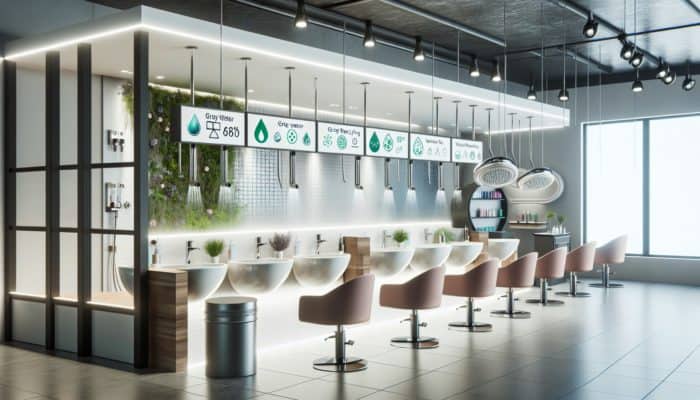
The successful implementation of water-saving techniques within salons revolves around the adoption of innovative strategies and cutting-edge technologies that effectively diminish water consumption while upholding exceptional service quality. These initiatives not only foster sustainability but also yield significant environmental benefits and financial savings in everyday salon operations. Essential tools for realising these objectives include:
- Low-flow showerheads
- Water-efficient hair washing systems
- Greywater recycling systems
- Smart water monitoring devices
- Efficient steamers and vapor systems
- Waterless nail products
- Water-saving appliances
- Eco-friendly hair colouring techniques
What essential elements facilitate the effective implementation of water-saving techniques?
The successful integration of water-saving techniques in salons relies on a meticulous selection of equipment combined with strategic adjustments to current operational processes. By investing in high-efficiency devices and refining standard operating protocols, salons can considerably minimise water waste while ensuring outstanding service quality. Striking this balance is vital for cultivating both environmental sustainability and economic viability within salon operations.
What advantages do salons gain by adopting sustainable practices?
The benefits of incorporating water-saving techniques extend far beyond simple resource conservation. Salons that embrace these sustainable practices frequently witness operational enhancements that lead to heightened client satisfaction and strengthened brand loyalty. Moreover, these eco-friendly initiatives contribute to long-term sustainability, positioning salons as responsible leaders in environmental stewardship and appealing to a growing clientele that values environmentally conscious choices.
How can salons successfully adopt water-saving techniques?
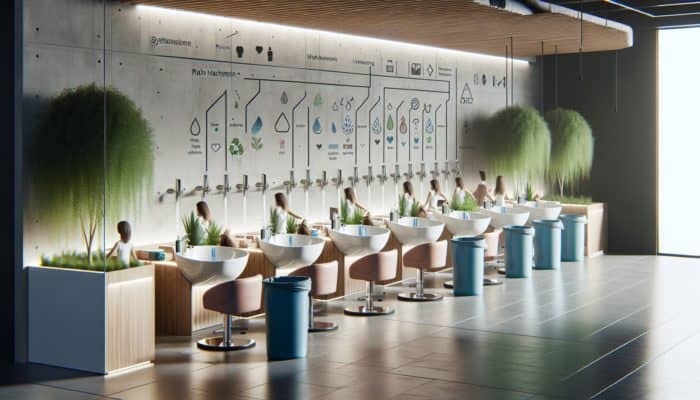
What actionable steps can salons implement to incorporate water-saving practices into their daily operations?
Integrating water-saving techniques into salon operations can be an achievable goal, concentrating on practical modifications that significantly reduce water usage. Begin by conducting a comprehensive assessment of current water consumption patterns to pinpoint areas ripe for enhancement. For example, training staff in efficient washing techniques, coupled with the installation of water-saving devices, can lead to substantial reductions in water usage without compromising service quality or client satisfaction.
What obstacles might salons encounter during this transition, and what strategies can they employ to overcome them?
Although transitioning to water-saving techniques presents numerous benefits, salons may face challenges such as initial investment costs and the difficulty of altering established habits. To effectively navigate these issues, it is crucial to engage the entire salon team, fostering a culture centred on sustainability. Establishing incentives for staff involvement and rolling out changes gradually can facilitate a smoother transition, ensuring that everyone is committed to the long-term success of these water-saving initiatives.
How can salons accurately measure the success of their water-saving initiatives?
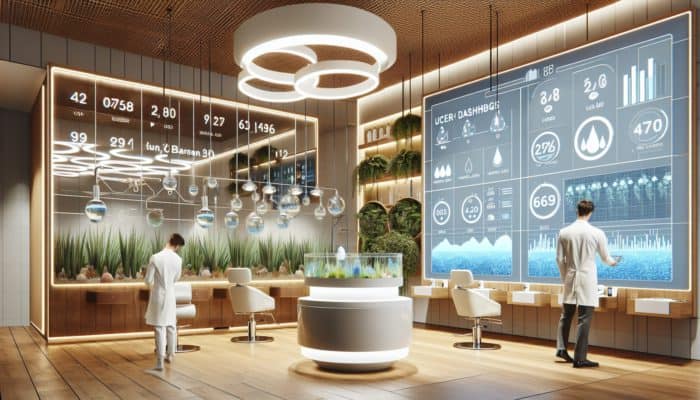
Monitoring water usage is essential for assessing the effectiveness of the water-saving measures implemented within salons. By employing monitoring systems that track water consumption, salons can engage in ongoing evaluation and make necessary adjustments. Regularly reviewing this information allows salons to identify trends and patterns, thereby enabling informed decision-making that fosters continuous improvements in water efficiency and aligns with sustainability objectives.
What environmental and economic advantages stem from adopting water-saving techniques?
The adoption of water-saving techniques presents significant environmental benefits, particularly through the reduction of water wastage and the promotion of natural resource conservation. From an economic perspective, salons can enjoy lower utility bills and may be eligible for financial incentives associated with sustainable practices, creating a compelling argument for a sustained commitment to water-efficient methods. These initiatives not only enhance a salon's reputation but also contribute to the creation of a healthier planet.
What expert advice can guide professionals in implementing water-saving techniques in salons?
What practical actions should professionals take to effectively implement these techniques?
For professionals eager to embrace water-saving techniques, a systematic approach is essential. Commence by evaluating your current water usage and identifying key areas for enhancement. For instance, salons can implement timed water flow controls or select eco-friendly product lines that require less water. Additionally, educating clients about the benefits of these changes can help cultivate a community dedicated to sustainability and responsible consumption.
What advanced strategies can salons adopt to further optimise their water-saving efforts?
To magnify their water-saving initiatives, salons can explore advanced strategies, such as integrating greywater systems that repurpose water from sinks or showers for non-potable applications like irrigation. Furthermore, utilising real-time monitoring technology enables salons to track water consumption instantly, simplifying the identification of areas requiring improvement and ensuring that water-saving measures are both effective and scalable.
How can salons evaluate the long-term effectiveness of their water-saving practices?
Assessing the long-term effectiveness of water-saving techniques necessitates regular audits and feedback mechanisms. This evaluation process should encompass an assessment of the impact of implemented changes on both water usage and customer satisfaction. By consistently refining strategies based on these evaluations, salons can ensure they maintain their commitment to sustainability while delivering high-quality services that meet or exceed client expectations.
What distinct benefits do water-saving techniques provide salons?
How do water-saving techniques enhance operational efficiency?
Implementing water-saving techniques significantly boosts operational efficiency by streamlining workflows and eliminating unnecessary waste. This improvement leads to faster service delivery and lower operational costs, aligning with eco-friendly objectives. The measurable outcomes of these enhancements include:
- Reduced water bills
- Lower operational costs
- Increased customer throughput
- Enhanced employee productivity
- Improved sustainability ratings
- Positive brand reputation
- Higher customer retention rates
- Increased market competitiveness
What environmental benefits arise from the integration of water-saving techniques?
The adoption of water-saving techniques yields considerable positive impacts, including resource preservation and a reduction in pollution levels. These methods contribute to broader conservation efforts, safeguarding ecosystems and ensuring sustainable water resources for future generations. Consequently, salons that embrace these techniques position themselves as champions of environmental responsibility, appealing to an expanding demographic of eco-conscious consumers.
What economic benefits do salons experience from implementing water-saving techniques?
From a financial standpoint, salons can benefit from reduced utility costs and potential incentives from local governments or organisations that promote sustainability. These savings can enhance overall profitability, making the shift to water-saving practices not only environmentally beneficial but also economically advantageous. By investing in efficient systems, salons can lower overhead costs while simultaneously boosting their profit margins.
What research-based insights can salons utilise regarding water-saving techniques?
What real-life success stories exemplify the effectiveness of these techniques?
Numerous salons across the globe have effectively adopted water-saving techniques, demonstrating tangible and impressive results. For example, a salon in Australia that implemented low-flow showerheads reported a remarkable 30% decrease in water usage, translating into substantial utility savings. Sharing such success stories can motivate other salons to adopt similar actionable strategies tailored to their unique operational contexts and challenges.
What significant insights have emerged from research on water-saving practices?
Research indicates that salons that embrace water-efficient practices experience measurable improvements in sustainability and operational efficiency. The implementation of water-saving devices can lead to reductions of up to 50% in water usage, underscoring the importance of data-driven strategies when facilitating operational changes. Salons should focus on these insights to guide their practices, ensuring techniques remain grounded in proven methodologies and evidence-based strategies.
How can salons leverage data to enhance their daily operations?
Incorporating evidence into daily salon practices is crucial for maximising impact. Salons can benefit from regular training sessions based on the latest research findings, ensuring that staff remain informed about effective water-saving techniques. By embracing continuous improvement and adapting practices informed by data, salons can achieve significant water savings while enhancing their overall sustainability profile and operational effectiveness.
Why is it vital for salons to adopt water-efficient methods?
What criteria should guide the selection of water-efficient techniques?
Selecting water-efficient methods necessitates careful consideration of factors such as cost-effectiveness and ease of implementation. These methods align with contemporary salon demands for improved resource management, allowing businesses to operate sustainably while appealing to an eco-conscious clientele. The selection process should involve evaluating long-term benefits against initial investments to ensure alignment with overarching business objectives.
What potential challenges might salons face, and how can they address them?
While introducing water-efficient methods may involve upfront costs, salons can mitigate these challenges by emphasising the long-term savings and return on investment. Exploring financing options or grants for sustainable initiatives can assist in offsetting initial expenses. Additionally, implementing changes gradually can facilitate a smoother transition, making the process manageable for both staff and clients while ensuring continued commitment to sustainability.
What long-term value does a commitment to water-saving practices provide?
The long-term benefits of committing to water-efficient methods encompass both environmental and business advantages. Salons that adhere to these practices often enjoy sustained improvements in efficiency and increased client satisfaction. Essential success factors for maintaining a long-term commitment include:
- Ongoing staff training
- Regular performance evaluations
- Investment in advanced technology
- Strong leadership commitment
- Effective communication of benefits to clients
- Community engagement initiatives
- Regular monitoring and adaptation of strategies
- Long-term partnerships with sustainable product suppliers
How can salons ensure their water efficiency is preserved and improved over time?
What methods should salons implement to monitor ongoing water usage performance?
Consistent monitoring of water usage is imperative for maintaining performance in water efficiency. Salons can adopt tracking systems that provide real-time data on water consumption, enabling timely adjustments to practices and equipment. Establishing benchmarks for comparison can also facilitate ongoing reductions in water usage over time, creating a culture of accountability and progress within the salon environment.
How can salons effectively upgrade their existing systems for enhanced water efficiency?
Enhancing existing systems involves pinpointing opportunities for improvement, such as replacing outdated equipment with water-efficient alternatives that yield significant water savings. Regular evaluations of equipment performance and embracing innovative technologies are vital for ensuring that salons stay at the forefront of water efficiency, resulting in ongoing benefits for both the salon and the environment.
What strategies should salons adopt to sustain their water-saving practices for future success?
Maintaining water-saving practices over the long term necessitates continuous training and regular reviews of procedures. Cultivating a culture of accountability ensures that all team members remain dedicated to sustainability goals. Providing frequent updates on water-saving achievements can instil a sense of pride and encourage ongoing improvement, keeping water-saving initiatives effective and relevant in the salon's operations.
How can salons implement efficient water recycling and reuse systems?
Implementing water recycling and reuse systems can significantly diminish the demand for fresh water within salons. Techniques like greywater systems and rainwater harvesting enable salons to repurpose water, greatly bolstering sustainability efforts. The advantages of these systems include cost savings and environmental benefits, fostering a circular water economy. For successful implementation, salons should adhere to best practices for installation and maintenance, which encompass routine inspections and adequate filtration systems to ensure water quality.
How can salons evaluate the effectiveness of their water efficiency measures?
To comprehensively assess the effectiveness of water efficiency measures, salons should conduct performance metrics and regular audits. Identifying key indicators of success, such as reductions in water consumption and associated cost savings, is crucial for understanding the impact of implemented changes. By addressing common challenges and making data-driven adjustments, salons can sustain and enhance their water-saving efforts over time, yielding lasting benefits for both the business and the environment.
Frequently Asked Questions
What defines water-saving techniques in salons?
Water-saving salon techniques refer to a variety of strategies and equipment specifically designed to minimise water usage in salon operations. These methods promote sustainability and cost savings while ensuring high service quality is consistently maintained.
What steps can salons take to effectively implement these water-saving techniques?
Salons can successfully implement water-saving techniques by thoroughly assessing their current water consumption, investing in efficient equipment, training their staff, and making minor adjustments to daily operational routines.
What advantages can salons expect from adopting water-saving techniques?
The anticipated benefits include reduced water consumption, lower utility costs, enhanced client satisfaction, and a positive environmental impact, all of which contribute to the overall sustainability and reputation of the salon.
What challenges are associated with the implementation of these water-saving techniques?
Common challenges include initial investment costs and the necessity for a shift in established habits within the salon team. These obstacles can be alleviated through gradual implementation and strong leadership support.
How can salons measure their success in water-saving initiatives?
Salons can evaluate their success by monitoring water usage trends over time, comparing against established benchmarks, and assessing the overall impact of changes made to improve efficiency.
Can you provide an example of successful water-saving implementation?
A notable instance involves a salon that integrated low-flow showerheads, achieving a remarkable 30% reduction in water usage, which resulted in significant cost savings on utilities.
What economic impacts do water-saving techniques have on salons?
Economic impacts encompass reduced utility bills, potential incentives for adopting sustainable practices, and improved profitability through enhanced operational efficiency.
In what ways do water-saving techniques contribute to environmental sustainability?
These techniques effectively mitigate water wastage and conserve natural resources, supporting broader conservation initiatives and promoting healthier ecosystems for present and future generations.
What advanced strategies can salons employ to improve water efficiency?
Salons can adopt advanced strategies such as implementing greywater recycling systems and utilising real-time monitoring technology to enhance water efficiency and effectively track usage patterns.
Why is a long-term commitment to water-saving practices essential for salons?
A long-term commitment fosters continuous improvement, ensures sustained benefits, and positions salons as leaders in sustainability, attracting clients who prioritise eco-friendly practices and services.
Connect with us on Facebook today!
The Article: Using Water-Saving Salon Techniques: Eco-Friendly Practices appeared first on Amitys Hair Salon.
The Article Water-Saving Salon Techniques for Eco-Friendly Practices Was Found On https://limitsofstrategy.com