Essential Preparations for a Successful Hysterectomy Recovery in the UK
What Key Items Should You Pack for Your Hospital Stay?
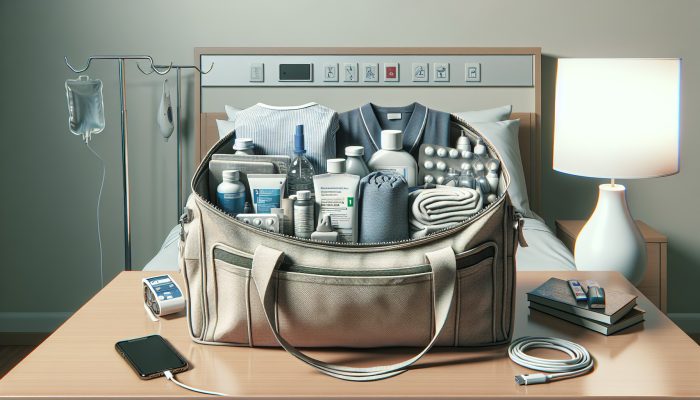
Packing the appropriate items for your hospital stay is an essential step towards ensuring a smooth and efficient recovery after a hysterectomy. Prioritise comfortable clothing, particularly loose-fitting pajamas, which will allow for easy movement and provide necessary comfort during your time in hospital. Including personal toiletries is vital for maintaining your hygiene and overall comfort levels. According to NHS guidelines, be sure to have your prescribed medications, a reliable phone charger, and engaging reading materials or entertainment options to keep you occupied during your recovery. A thoughtfully organised packing strategy can greatly enhance your comfort and significantly promote a quicker recovery process.
What Are the Crucial Pre-Procedure Steps You Must Follow in the UK?
Before proceeding with a hysterectomy, it is imperative to have a comprehensive consultation with your GP to ensure that you are fully prepared for the procedure. Your healthcare provider may recommend undergoing pre-operative assessments to confirm that you are mentally and physically ready for surgery. One of the most important steps is to arrange adequate support at home for your recovery period. Enlist the help of family or friends to assist you with daily chores and responsibilities during your healing time. Additionally, preparing your living environment for a comfortable recovery, such as setting up a cosy resting area, can significantly improve your overall sense of well-being and positively affect your emotional health during this transition.
How Long Does It Usually Take to Recover from a Hysterectomy in the UK?
Recovery times following a hysterectomy can differ significantly among individuals; however, standard NHS guidelines suggest that initial healing typically lasts about six to eight weeks. During this critical period, it is essential to prioritise rest and attentively monitor your body’s healing progression. Engaging with local health services can provide the necessary additional support, allowing you to track your recovery through follow-up appointments and consultations. Understanding these recovery timelines enables you to set realistic expectations for yourself and empowers you to take control of your recovery journey, thereby enhancing both your overall experience and the outcomes of your healing process.
What Effective Strategies Can You Use to Alleviate Pain Following a Hysterectomy?

What Pain Relief Strategies Are Most Effective in the UK?
Effectively managing pain after a hysterectomy is vital for ensuring a seamless recovery experience. Recommended methods by the NHS include using prescribed analgesics, such as paracetamol or ibuprofen, which can significantly reduce discomfort during the initial days following surgery. Additionally, employing heat therapy, such as warm compresses applied to the abdomen, can provide substantial relief from pain. The benefits of these pain management strategies include reduced reliance on stronger opioids, improved mobility, and increased overall comfort during your recovery phase. This focus allows you to concentrate on healing rather than being preoccupied with managing pain.
- Reduces inflammation and discomfort
- Facilitates better sleep patterns
- Encourages mobility for a quicker recovery
- Minimises the need for stronger pain medications
What Alternative Therapies Can Support Pain Management in the UK?
In addition to conventional pain relief methods, exploring alternative therapies can significantly enhance your recovery process. Physiotherapy, often covered by the NHS, focuses on customised exercises designed to alleviate discomfort and improve mobility. Scheduling sessions through local clinics ensures that you receive tailored care that addresses your specific needs. Moreover, practices such as acupuncture and reflexology can aid in pain management and promote relaxation, providing a holistic approach to your recovery journey and enriching the overall healing experience.
How Can You Effectively Monitor Your Pain Levels at Home?

Monitoring your pain levels at home is a critical practice that can help prevent complications during your recovery. Resources available through UK health services, such as pain diaries, empower you to accurately document your symptoms and pain experiences. This practice encourages you to seek early intervention should your pain worsen, ensuring that potential issues are addressed promptly. Additionally, keeping a detailed account of your pain can improve communication with your healthcare provider during follow-up appointments, leading to a more personalised and effective approach to your ongoing care and recovery.
Expert Recommendations: Essential Tips for Hysterectomy Recovery
What Nutritional Guidelines Do UK Specialists Recommend for Recovery?
Nutrition plays a vital role in your recovery after a hysterectomy. British dietitians strongly advocate for adhering to a balanced diet rich in fruits, vegetables, lean proteins, and whole grains to support the healing process. Including foods high in iron, such as spinach and lentils, can help combat potential anaemia, while sources of vitamin C, like oranges, enhance iron absorption and further aid recovery. Real-world examples of nutritious meals include grilled chicken served with quinoa and steamed broccoli or a hearty lentil soup featuring spinach, supplying essential nutrients crucial for supporting your recovery journey effectively.
What Exercise Recommendations Do UK Experts Offer for Post-Surgery Recovery?
Exercise plays an integral role in the post-operative recovery process, and NHS physiotherapists recommend a gradual reintroduction to physical activity. Initially, engaging in simple movements, such as gentle walking, can enhance circulation and help prevent complications. As your strength improves, incorporating light stretching exercises will positively contribute to your flexibility. Practical steps include setting achievable goals for your activity levels, listening to your body, and consulting with professionals if you encounter discomfort during exercise. This strategic approach will assist you in regaining your strength while promoting a thorough recovery.
What Mental Health Resources Are Available in the UK for Post-Hysterectomy Support?
Coping with the emotional changes that often accompany a hysterectomy is as crucial as physical recovery. Counselling services offered by UK mental health charities can provide invaluable support during this transitional phase. Engaging in group therapy or support sessions allows individuals to share their experiences and coping strategies, facilitating emotional healing. Research indicates that patients who utilise mental health resources typically achieve better overall recovery outcomes, underscoring the necessity of prioritising your mental well-being throughout your comprehensive recovery journey.
What Pain Management Techniques Do UK Specialists Recommend?
Effective pain management strategies, as outlined by NHS anaesthetists, emphasise the importance of a holistic approach to alleviating discomfort. Patients should discuss pain relief options that encompass both medications and non-pharmaceutical interventions. Recommendations often include adopting comfortable positions, such as using pillows to support your abdomen, alongside relaxation exercises to help mitigate the perception of pain. Recognising when to consult your GP regarding persistent pain is crucial for ensuring a complete recovery and addressing any underlying issues that may arise during your healing process.
What Complications May Arise After a Hysterectomy?
How Can You Identify Potential Bleeding Issues Post-Surgery?
Recognising bleeding complications following a hysterectomy is critical for ensuring patient safety during the recovery phase. Signs of excessive discharge, including large clots or bright red blood, necessitate immediate medical attention. UK health checklists can empower patients by outlining symptoms that require prompt NHS care, ensuring that individuals seek medical assistance without delay. Early identification of these complications can significantly enhance treatment outcomes and provide reassurance to patients as they navigate their recovery journey.
What Infection Risks Should You Be Aware of in UK Postoperative Care?
Infection risks constitute a serious concern within postoperative care environments. Implementing preventative strategies, such as adhering to hygiene practices recommended by British hospitals, is essential for minimising these risks. Patients should remain vigilant for common symptoms of infection, including fever, chills, and increasing pain at the surgical site. Key precautions to adopt include:
- Regularly cleaning the incision site
- Thoroughly washing hands before changing dressings
- Avoiding baths until cleared by a healthcare provider
- Monitoring for any unusual discharge
Being aware of these symptoms and best practices encourages a proactive approach to health and recovery, ensuring that any issues are promptly addressed.
When Should You Contact Your GP for Follow-Up Care?
Understanding the appropriate times to seek assistance from your GP is vital throughout the recovery process. Indicators for follow-up visits include persistent pain that is unrelieved by prescribed medications, as well as any signs of infection. Actionable steps to arrange appointments involve promptly contacting your GP practice and discussing your symptoms in detail. Taking an active role in your health can prevent complications and facilitate a smoother recovery trajectory, ensuring that you remain informed and engaged throughout your healing journey.
What Are the Evidence-Based Benefits of Following Hysterectomy Recovery Tips?
What Long-Term Health Improvements Can You Anticipate in the UK?
Research conducted by UK institutions underscores the long-term health benefits associated with adhering to comprehensive hysterectomy recovery tips. Patients often report an enhanced quality of life characterised by reduced pain and improved emotional well-being following surgery. Real-world examples derived from NHS data indicate that individuals who follow thorough recovery guidelines tend to experience fewer complications and better overall health outcomes. This highlights the critical importance of following expert advice throughout the recovery process for optimal results.
What Advantages Do Pelvic Floor Exercises Offer After a Hysterectomy?
Pelvic floor exercises are increasingly acknowledged for their numerous benefits following a hysterectomy. Insights from British research reveal that these exercises effectively strengthen pelvic muscles, aiding in the prevention of complications such as pelvic organ prolapse. Expert evaluations suggest that safely incorporating these routines can enhance bladder control and improve sexual health, contributing to overall well-being post-surgery. Start with simple exercises like Kegels, gradually progressing to more complex routines as guided by healthcare professionals to ensure safe and effective practice.
Why Is Adequate Rest Vital for Post-Hysterectomy Recovery?
Evidence from UK clinical trials highlights that obtaining sufficient rest is crucial for achieving optimal recovery after a hysterectomy. Adequate rest allows your body to heal effectively and diminishes the risk of complications. Strategies to avoid overexertion include setting clear boundaries for activities and recognising the importance of listening to your body’s signals. By prioritising rest, you contribute to a more effective recovery process, enabling you to return to your normal routine sooner while ensuring your health and well-being during this essential healing phase.
When Is the Right Time to Resume Normal Activities After a Hysterectomy?
What Considerations Should You Keep in Mind Regarding Your Return to Work in the UK?
Returning to work after a hysterectomy should be approached with thoughtful consideration, adhering to NHS guidance regarding recovery timelines. Most individuals anticipate returning to work within six to eight weeks, contingent on their recovery progress. Practical steps include discussing potential adjustments with your employers, such as flexible hours or the option to work remotely, to facilitate a supportive transition back into the workplace. By advocating for your needs, you can create an environment that accommodates your ongoing recovery while ensuring a smooth return to your professional responsibilities.
What Guidelines for Driving and Travel Should You Adhere to in the UK?
Driving regulations following a hysterectomy typically recommend that patients refrain from driving until they can perform emergency stops without experiencing pain. This period generally lasts around four to six weeks. Important precautions to keep in mind include:
- Ensuring you can comfortably reach the pedals
- Avoiding long journeys until cleared by a healthcare professional
- Being mindful of your pain levels while driving
- Arranging alternative transportation if needed
Observing these guidelines is essential for ensuring safe mobility and confidence on the road while prioritising your recovery.
How to Rebuild Your Social Life Following Recovery?
Reestablishing social routines after recovery is crucial for maintaining emotional well-being. Engaging with community support networks across the UK can facilitate a gradual reintegration into social activities. Expert advice encourages pacing your social engagements, starting with brief visits or relaxed gatherings to avoid overwhelming yourself. Building a strong support system comprising family and friends can further enhance this process, fostering positive interactions that uplift your spirits as you continue along your recovery journey.
What Is the Best Way to Resume Physical Exercise After Recovery in the UK?
Reintroducing physical exercise after recovery should be approached cautiously, adhering to NHS guidelines. Begin with light activities such as gentle walking, gradually increasing the intensity as your body permits. Listening to your body is crucial, and consulting your GP if you experience any discomfort is essential. Monitoring your fitness levels during this transitional phase will help prevent injuries while promoting a sustainable return to your regular exercise routine, ensuring that you feel confident and strong as you progress.
How to Manage Household Chores and Daily Responsibilities After a Hysterectomy in the UK?
Effectively managing household tasks after a hysterectomy requires careful planning and organisation. According to NHS recovery timelines, pacing your daily tasks is vital in order to avoid excessive fatigue. Strategies to consider include prioritising essential chores, using aids for lifting as necessary, and enlisting family or friends to help share responsibilities. Implementing energy conservation techniques, such as sitting while performing tasks or dividing chores into manageable segments, can significantly enhance your comfort and efficiency during the recovery period, allowing you to maintain a manageable routine.
What Does Long-Term Care Involve After a Hysterectomy in the UK?
Why Are Regular Health Check-Ups Essential in the UK?
Scheduling regular health check-ups is essential for maintaining well-being following a hysterectomy. Engaging with NHS screening services ensures early detection of potential health issues, as ongoing monitoring allows healthcare providers to address any concerns promptly. It is advisable to book follow-up appointments within a few months post-surgery to discuss your recovery progress and any lingering symptoms you may be experiencing. This proactive approach will help prioritise your long-term health and well-being throughout your recovery journey.
How Can You Support Optimal Pelvic Health After Surgery?
Supporting optimal pelvic health after a hysterectomy involves integrating lifelong care strategies into your daily routine. By utilising UK resources, patients can adjust their routines to enhance pelvic floor strength and functionality. This may include ongoing pelvic floor exercises and consulting healthcare providers about lifestyle changes that promote pelvic health. Being mindful of your body mechanics during physical activities can further improve pelvic well-being, ensuring that you remain active and healthy in the long run.
What Advantages Do Support Groups Provide in the UK?
Participating in support groups offers invaluable opportunities for individuals recovering from hysterectomies to share experiences and coping strategies. Local networks throughout the UK provide sessions where patients can openly discuss their journeys. Actionable steps for joining these groups involve researching available options online or contacting health services for recommendations, ensuring you access the support that best suits your recovery needs. This connection fosters a sense of community and understanding, greatly enhancing your emotional well-being during this transformative period.
Frequently Asked Questions
What Can I Expect During My Recovery After a Hysterectomy?
The recovery process generally spans between six to eight weeks, during which most patients may experience pain, fatigue, and emotional fluctuations. It is crucial to adhere to your healthcare provider's guidance and recommendations to facilitate a smoother recovery experience.
How Soon Can I Return to Work After My Surgery?
Most individuals can expect to return to work within six to eight weeks post-surgery, depending on recovery progress and job demands. Discussing flexible work arrangements with your employer can be beneficial in easing this transition.
Are There Specific Dietary Guidelines I Should Follow After Surgery?
A balanced diet rich in fruits, vegetables, lean proteins, and whole grains is highly recommended. Foods high in iron and vitamin C are particularly beneficial for recovery, providing essential nutrients necessary for healing.
What Signs of Complications Should I Be Aware Of?
Be vigilant for symptoms such as excessive bleeding, fever, or increasing pain at the surgical site. It is crucial to seek medical attention immediately if you experience these signs to ensure your safety and well-being.
Can I Exercise After My Surgery?
Light exercises, like gentle walking, can typically be resumed shortly after surgery. It is advisable to consult your healthcare provider for tailored advice on gradually reintroducing more vigorous physical activities as you recover.
How Can I Effectively Manage Post-Operative Pain?
Utilise prescribed medications and consider integrating heat therapy or relaxation techniques. Regularly monitoring your pain levels can facilitate effective discomfort management and ensure a more comfortable recovery experience.
Is Psychological Support Necessary Following a Hysterectomy?
Yes, emotional changes are common after surgery. Engaging with mental health support services can provide necessary coping strategies and guidance during your recovery, fostering emotional well-being.
How Can I Best Prepare for My Hospital Discharge?
Create a comfortable recovery environment at home, arrange assistance for household tasks, and ensure all essential items are ready for your return from the hospital to ease your transition.
What Should I Do if I Notice Any Unusual Discharge?
Immediately report any unusual discharge, especially if it is excessive or changes in colour, to your healthcare provider for assessment and guidance to ensure your recovery remains on track.
Are There Long-Term Care Practices I Should Follow?
Regular health check-ups, maintaining a nutritious diet, and continuing pelvic floor exercises are vital for long-term health and well-being after a hysterectomy, ensuring that you stay proactive about your health.
Connect with us on Facebook!
The Article Hysterectomy Recovery Tips: Key Steps for Recovery Was First Published On https://acupuncture-frome.co.uk
The Article Hysterectomy Recovery: Essential Steps for Healing Was Found On https://limitsofstrategy.com